

Resources Categories
INDUSTRY FACT FILE · SAAS & ENTERPRISE SOFTWARE
Five New Case Studies in SaaS Security
Original 2026 case studies, each written as a blog post, showing how current threats play out for SaaS vendors and how Codec Networks services break the attack chain.
|
In this document 1. About these case studies 2. Case Study 1: The Tenant ID in the URL 3. Case Study 2: The Integration Token That Opened Every CRM 4. Case Study 3: The Support Session That Copied Customer Data 5. Case Study 4: The Customers Who Never Turned On MFA 6. Case Study 5: The Library Nobody Knew Was There |
About these case studies
These five case studies were written for this document set and have not been published elsewhere. Each is a composite scenario combining attack techniques and control failures widely observed among SaaS and enterprise software vendors with the obligations that apply in India as of October 2026—in particular CERT-In's Directions and SBOM guidelines, the DPDP framework and customer requirements.
|
Important disclosure The organisations described are fictional and the scenarios are illustrative. They are not accounts of real incidents, and they are not Codec Networks client engagements or claims of achieved outcomes. Their value lies in showing how connected weaknesses form an attack chain, which controls break it, and which services test those controls. |
|
Case study |
Vendor type |
Core threat |
Regulatory lens |
Primary bundles |
|
1. The Tenant ID in the URL |
HRMS and payroll SaaS |
Tenant isolation flaw |
CERT-In; DPDP; customer contracts |
B1, B2, B7 |
|
2. The Integration Token That Opened Every CRM |
CRM platform and integration partner |
OAuth token theft via a third-party integration |
CERT-In; DPDP; customer contracts |
B9, B2, B7 |
|
3. The Support Session That Copied Customer Data |
Collaboration SaaS |
Stolen support-console sessions |
CERT-In; DPDP; customer contracts |
B3, B7, B8 |
|
4. The Customers Who Never Turned On MFA |
Data and analytics SaaS |
Credential stuffing against tenants without MFA |
CERT-In; DPDP; shared responsibility |
B2, B7, B10 |
|
5. The Library Nobody Knew Was There |
Enterprise software vendor |
Vulnerable transitive dependency |
CERT-In SBOM guidelines; customer contracts |
B2, B5, B8 |
Case Study 1: The Tenant ID in the URL
The customer only changed one number in the request.
|
At a glance |
|
|
Organisation |
An HRMS vendor (“Vendor A”) serving several hundred companies |
|
Threat |
A reporting API that trusted a client-supplied tenant ID |
|
Why it is new |
Isolation flaws expose many customers through one bug |
|
Codec Networks services |
Tenant isolation testing, code review, monitoring (Bundles B1, B2, B7) |
The scenario
Vendor A's reporting feature passed the tenant ID as a request parameter. The API used it directly instead of the tenant bound to the user's session.
A customer's HR administrator, troubleshooting a report, changed the ID and received another company's payroll data.
The administrator reported it. Vendor A had to determine how long the flaw had existed and whether anyone had exploited it.
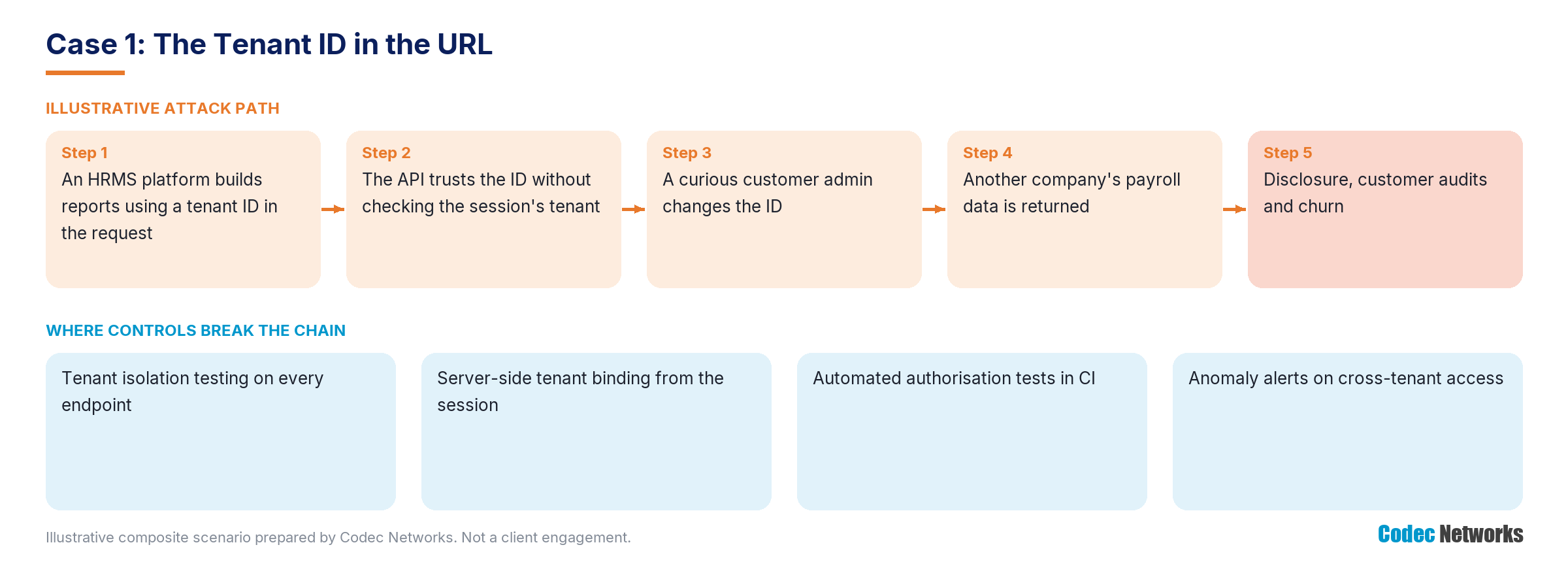
Figure 8: Illustrative attack path for Case Study 1 and the controls that break it.
What went wrong
- The server trusted the client's tenant ID.
- No cross-tenant tests in CI.
- No alerts on cross-tenant access patterns.
- Reports were not in PT scope.
The impact
Vendor A notified affected customers, faced audits and churn, and assessed CERT-In and contractual reporting duties.
The regulatory lens
- CERT-In Directions: incidents reported within six hours.
- DPDP Act and Rules: customers as data fiduciaries must ensure safeguards and, once provisions commence, intimate breaches.
- Customer contracts: confidentiality, security and notification obligations.
How Codec Networks would help
|
Need |
Codec Networks response |
Bundle |
|
Test isolation |
Cross-tenant testing across every endpoint |
B1 |
|
Fix the pattern |
Code review and CI authorisation tests |
B2 |
|
Watch for abuse |
Cross-tenant anomaly alerts |
B7 |
|
Key lessons Bind tenants on the server. Never trust client IDs. Automate isolation tests. Alert on cross-tenant access. |
Case Study 2: The Integration Token That Opened Every CRM
The attackers never touched the CRM vendor. They breached its partner.
|
At a glance |
|
|
Organisation |
A CRM vendor (“Vendor B”) with a marketplace of connected apps |
|
Threat |
A breached integration vendor's stored OAuth tokens used to export customer CRM data |
|
Why it is new |
Integrations hold long-lived access to many tenants |
|
Codec Networks services |
Integration assessment, OAuth review, export monitoring (Bundles B9, B2, B7) |
The scenario
A popular sales-assistant integration stored OAuth tokens for thousands of Vendor B customers.
Attackers breached the integration vendor and used the tokens to export contacts, deals and support cases—some containing passwords and API keys pasted into notes.
Vendor B revoked the integration's tokens, but data had already left many tenants.
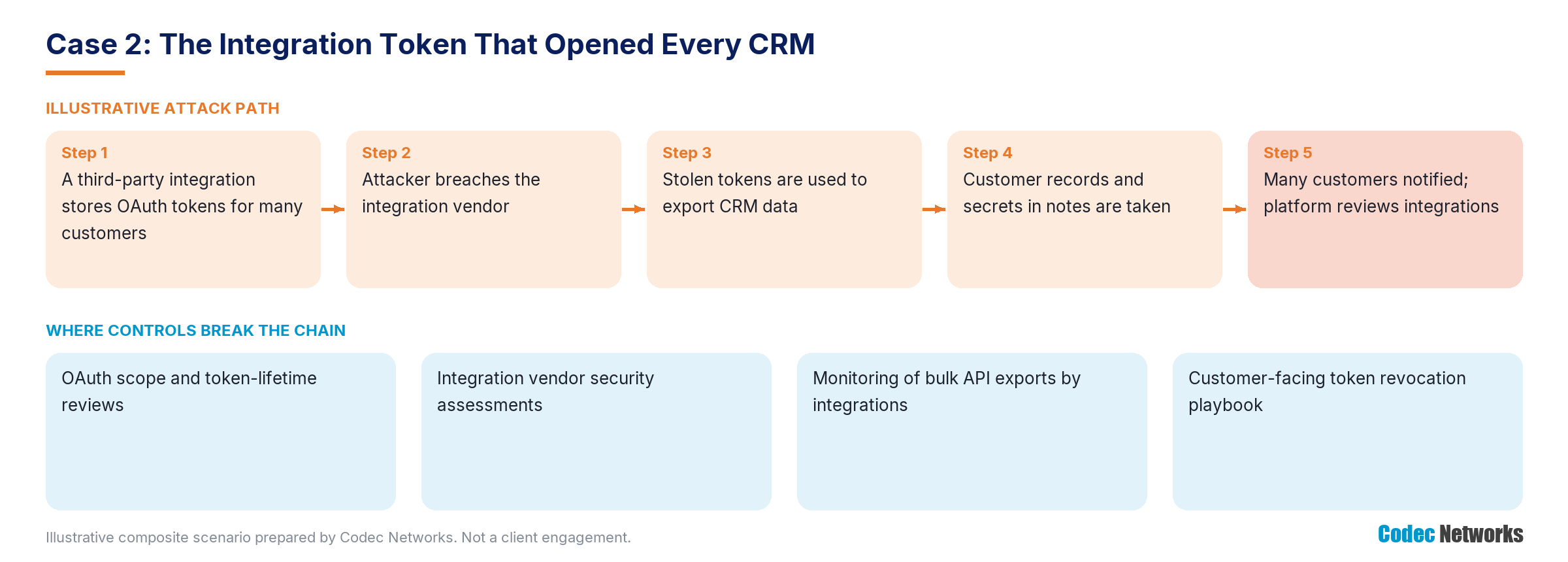
Figure 9: Illustrative attack path for Case Study 2 and the controls that break it.
What went wrong
- Integration scopes were broader than needed.
- Tokens were long-lived.
- Bulk exports by integrations were not monitored.
- Integration vendors were not assessed.
The impact
Many customers had to notify their own stakeholders and rotate exposed secrets; Vendor B tightened its marketplace rules.
The regulatory lens
- CERT-In Directions: incidents reported within six hours.
- DPDP Act and Rules: safeguards and breach intimation by customers once provisions commence.
- Customer contracts and marketplace terms: security and notification obligations of partners.
How Codec Networks would help
|
Need |
Codec Networks response |
Bundle |
|
Assess partners |
Integration vendor security assessments |
B9 |
|
Narrow access |
OAuth scope and token-lifetime review |
B2 |
|
Spot exports |
Monitoring of bulk exports by integrations |
B7 |
|
Key lessons Grant integrations minimal scopes. Shorten token lifetimes. Monitor integration exports. Assess marketplace partners. |
Case Study 3: The Support Session That Copied Customer Data
The attacker logged in as support. Support could see everything.
|
At a glance |
|
|
Organisation |
A collaboration vendor (“Vendor C”) whose support team can impersonate customer admins |
|
Threat |
Info-stealer malware stealing a support engineer's session tokens |
|
Why it is new |
Support tools concentrate access to many tenants |
|
Codec Networks services |
Support-tool review, identity hardening, incident response (Bundles B3, B7, B8) |
The scenario
A support engineer's personal laptop, also used for work, was infected with info-stealer malware.
The malware captured session cookies for Vendor C's support console, which allowed impersonation of customer administrators.
The attacker browsed several customer tenants and downloaded files before unusual activity was spotted.
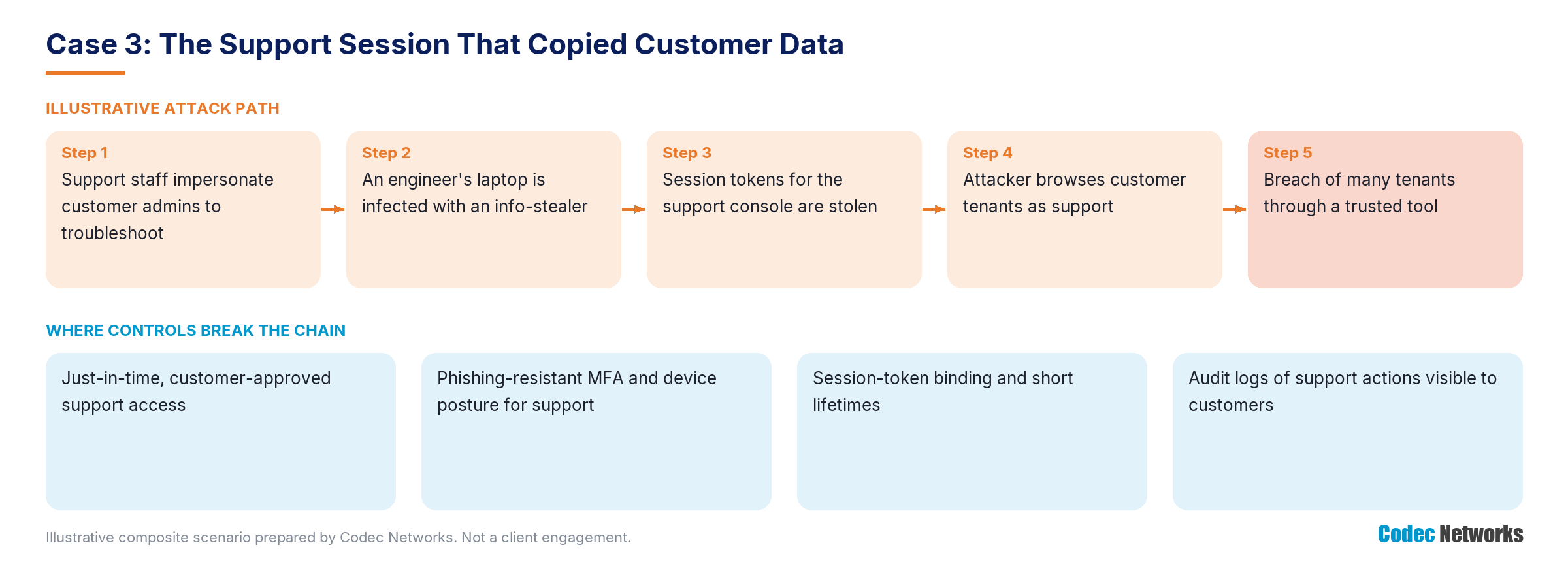
Figure 10: Illustrative attack path for Case Study 3 and the controls that break it.
What went wrong
- Support access was standing, not just-in-time.
- Sessions were not bound to managed devices.
- Customers could not see support actions.
- Support logins were not monitored for anomalies.
The impact
Vendor C notified affected customers, rebuilt its support access model and faced customer audits.
The regulatory lens
- CERT-In Directions: incidents reported within six hours.
- DPDP Act and Rules: safeguards and breach intimation by customers once provisions commence.
- Customer contracts: access, audit and notification obligations.
How Codec Networks would help
|
Need |
Codec Networks response |
Bundle |
|
Limit support |
Just-in-time, approved support access review |
B3 |
|
Watch support |
SOC monitoring of support sessions |
B7 |
|
Respond |
Investigation and customer coordination |
B8 |
|
Key lessons Make support access just-in-time. Bind sessions to managed devices. Show customers support actions. Monitor support logins. |
Case Study 4: The Customers Who Never Turned On MFA
The platform offered MFA. Most customers never switched it on.
|
At a glance |
|
|
Organisation |
A data platform vendor (“Vendor D”) hosting customer data warehouses |
|
Threat |
Passwords from info-stealer logs used against customer accounts without MFA |
|
Why it is new |
Shared responsibility fails when secure defaults are optional |
|
Codec Networks services |
Identity testing, SOC monitoring, customer awareness (Bundles B2, B7, B10) |
The scenario
Attackers bought credential logs harvested by info-stealer malware from employees of Vendor D's customers.
Several customer accounts had no MFA. Credential stuffing succeeded, and data was exported and held for ransom.
Customers and the public questioned whether Vendor D should have enforced MFA.
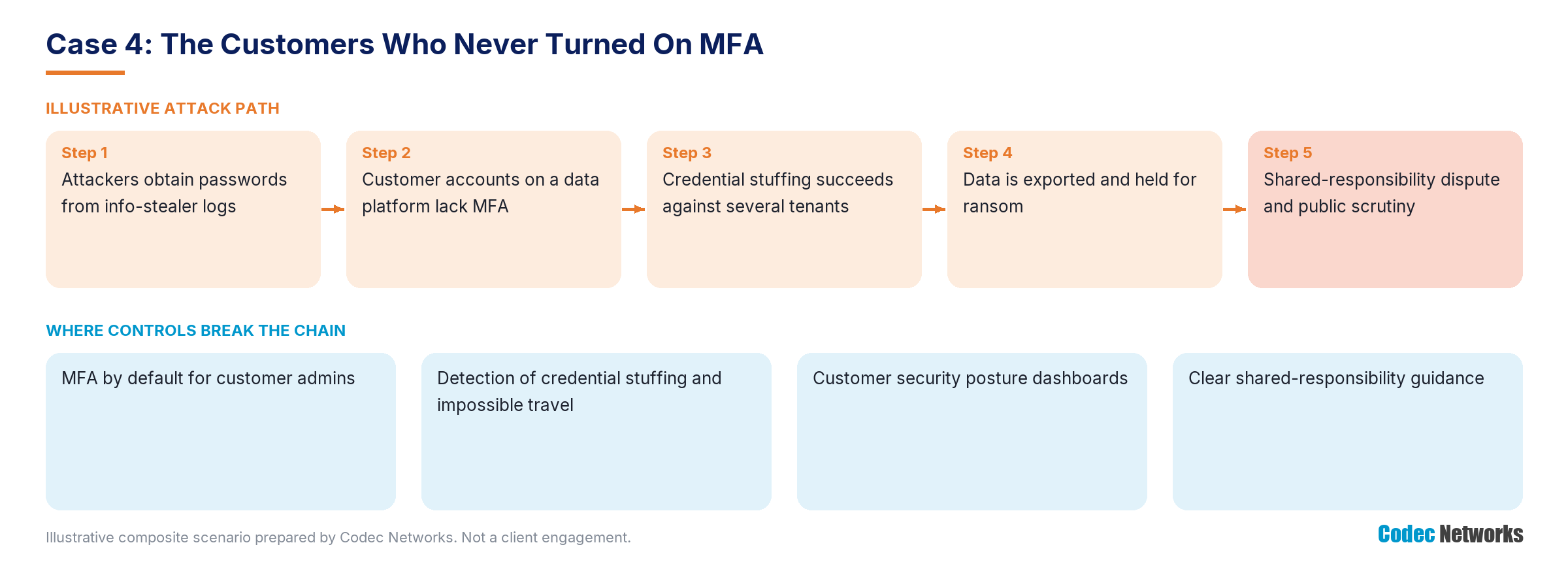
Figure 11: Illustrative attack path for Case Study 4 and the controls that break it.
What went wrong
- MFA was optional for customer admins.
- Credential stuffing was not detected.
- Customers lacked a security posture view.
- Shared-responsibility guidance was unclear.
The impact
Vendor D faced reputational damage and moved to MFA by default; affected customers faced breach reporting.
The regulatory lens
- CERT-In Directions: incidents reported within six hours.
- DPDP Act and Rules: reasonable security safeguards; breach intimation once provisions commence.
- Customer contracts: shared-responsibility terms.
How Codec Networks would help
|
Need |
Codec Networks response |
Bundle |
|
Secure defaults |
Identity and MFA configuration testing |
B2 |
|
Spot stuffing |
SOC detection of credential stuffing |
B7 |
|
Guide customers |
Customer awareness and posture guidance |
B10 |
|
Key lessons Enforce MFA by default. Detect credential stuffing. Give customers a posture view. Spell out shared responsibility. |
Case Study 5: The Library Nobody Knew Was There
The vulnerable library was three levels deep. Nobody had listed it.
|
At a glance |
|
|
Organisation |
An enterprise software vendor (“Vendor E”) selling on-premise and cloud editions |
|
Threat |
A critical vulnerability in an untracked open-source dependency |
|
Why it is new |
Without an SBOM, exposure assessment takes days |
|
Codec Networks services |
SCA and SBOM programme, vulnerability process, incident response (Bundles B2, B5, B8) |
The scenario
A critical vulnerability was published in an open-source library used indirectly by Vendor E's product.
Vendor E had no SBOM and could not tell which product versions included the library.
Attackers exploited unpatched customer installations before Vendor E issued a fix. Customers demanded an SBOM and a timeline.
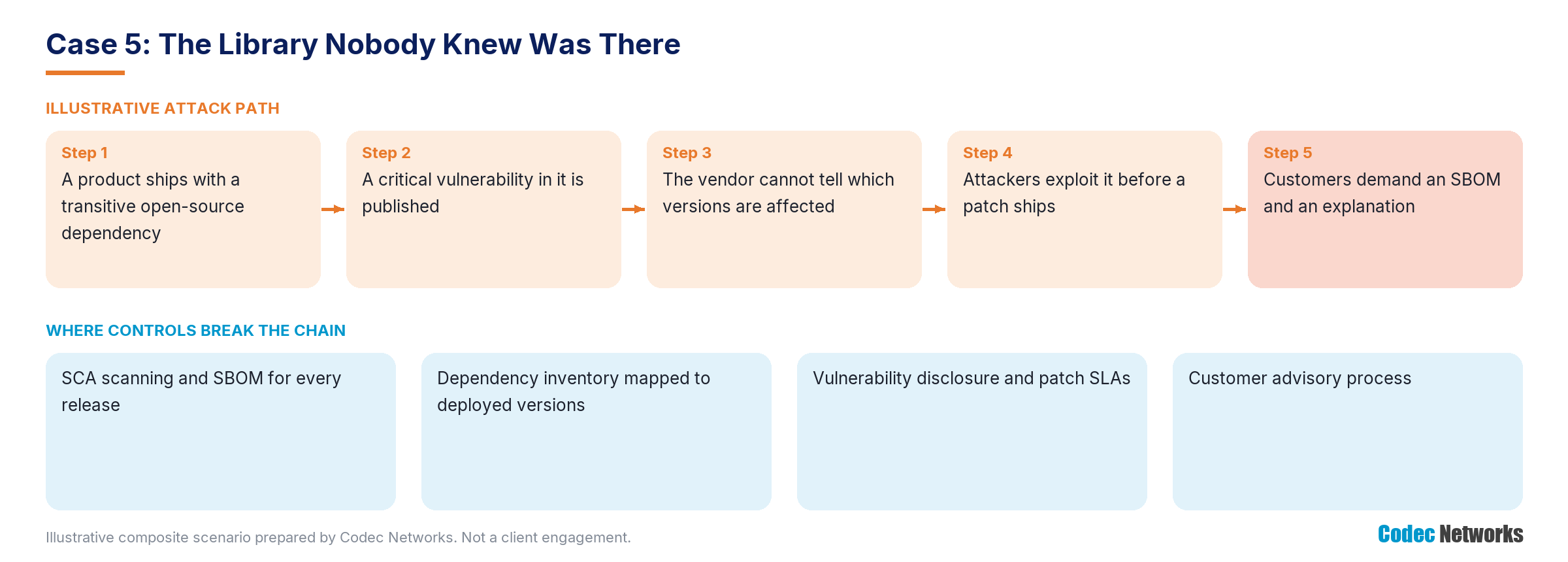
Figure 12: Illustrative attack path for Case Study 5 and the controls that break it.
What went wrong
- No SBOM for releases.
- Transitive dependencies were not scanned.
- No patch SLAs or advisory process.
- Customer installations were not tracked by version.
The impact
Vendor E faced customer incidents, emergency patching costs and lost trust in its security process.
The regulatory lens
- CERT-In SBOM guidelines (2024): recommended SBOM practices.
- CERT-In Directions: incidents reported within six hours.
- Customer contracts: vulnerability notification and patch obligations; EU CRA obligations for in-scope products sold in the EU.
How Codec Networks would help
|
Need |
Codec Networks response |
Bundle |
|
Know your components |
SCA scanning and SBOM per release |
B2 |
|
Formalise the process |
Vulnerability disclosure and patch SLAs |
B5 |
|
Respond |
Incident support and customer advisories |
B8 |
|
Key lessons Produce an SBOM for every release. Scan transitive dependencies. Set patch SLAs. Publish clear advisories. |
Talk to Codec Networks
|
Contact Codec Networks Pvt. Ltd. New Delhi: 507, 5th Floor, New Delhi House, Barakhamba Road, Connaught Place, New Delhi – 110001 Gurugram: 707, 7th Floor, Silverton Tower, Golf Course Extension Road, Sector 50, Gurugram – 122018, Haryana Landline: 011 430 496 96 | 011 437 522 99 Mobile: +91 99716 76124 | +91 88007 88220 | +91 88003 31124 Email: mktg@codecnetworks.com Web: www.codecnetworks.com |