

Resources Categories

INDUSTRY FACT FILE · HOSPITALITY, TRAVEL & TOURISM
Five New Case Studies in Hospitality and Travel Security
Original 2026 case studies, each written as a blog post, showing how current threats play out in hotels, travel platforms, tour operators and loyalty programmes and how Codec Networks services break the attack chain.
|
In this document 1. About these case studies 2. Case Study 1: The Extranet Login That Robbed the Guests 3. Case Study 2: The PMS Vendor That Opened Every Door 4. Case Study 3: The Deposit That Left With the Email 5. Case Study 4: The Points That Became Plane Tickets 6. Case Study 5: The Resort That Ran on Paper |
About these case studies
These five case studies were written for this document set and have not been published elsewhere. Each is a composite scenario combining control failures widely observed in hospitality and travel with the obligations that apply in India as of October 2026—in particular CERT-In's Directions and audit guidelines, DPDP, RBI tokenisation and PCI DSS, immigration reporting, SEBI disclosure for listed companies and brand and OTA contracts.
|
Important disclosure The organisations described are fictional and the scenarios are illustrative. They are not accounts of real incidents, and they are not Codec Networks client engagements or claims of achieved outcomes. Their value lies in showing how connected weaknesses form an attack chain, which controls break it, and which services test those controls. |
|
Case study |
Organisation type |
Core threat |
Regulatory lens |
Primary bundles |
|
1. The Extranet Login That Robbed the Guests |
Boutique hotel group |
OTA extranet account takeover |
DPDP; CERT-In; OTA contract |
B10, B7, B2 |
|
2. The PMS Vendor That Opened Every Door |
Hotel management company |
Cloud vendor breach exposing guest identity data |
DPDP; SEBI LODR; brand contracts |
B9, B6, B7 |
|
3. The Deposit That Left With the Email |
Tour operator and MICE agency |
Business email compromise of deposit flows |
CERT-In; DPDP; client contract |
B10, B7, B2 |
|
4. The Points That Became Plane Tickets |
Hotel loyalty programme |
Credential stuffing and redemption fraud |
DPDP; CERT-In; partner contracts |
B2, B7, B6 |
|
5. The Resort That Ran on Paper |
Resort group |
Ransomware on PMS, PoS and key systems |
CERT-In; PCI DSS; SEBI LODR |
B3, B7, B10 |
Case Study 1: The Extranet Login That Robbed the Guests
The guests paid the hotel. The hotel never saw a rupee.
|
At a glance |
|
|
Organisation |
A boutique hotel group (“Stayco A”) with eight properties selling mainly through OTAs |
|
Threat |
A reservations desk account compromised by phishing and used on the OTA extranet to message upcoming guests for 'payment verification' |
|
Why it is new |
Attackers now use the hotel's own distribution channel to reach guests |
|
Codec Networks services |
Phishing simulation and training, SOC monitoring, extranet and payment review (Bundles B10, B7, B2) |
The scenario
Stayco A's reservations desk received an email styled as an OTA guest complaint. A staff member entered the extranet password on the linked page; the account had no MFA.
Over two weekends the criminals messaged upcoming guests through the platform, claiming card verification had failed and directing them to a payment page in the hotel's name. Dozens of guests paid.
Complaints reached the OTA before the hotel noticed. Stayco A faced refund disputes, a platform penalty, a privacy question about the guest data viewed and weeks of reputation repair.
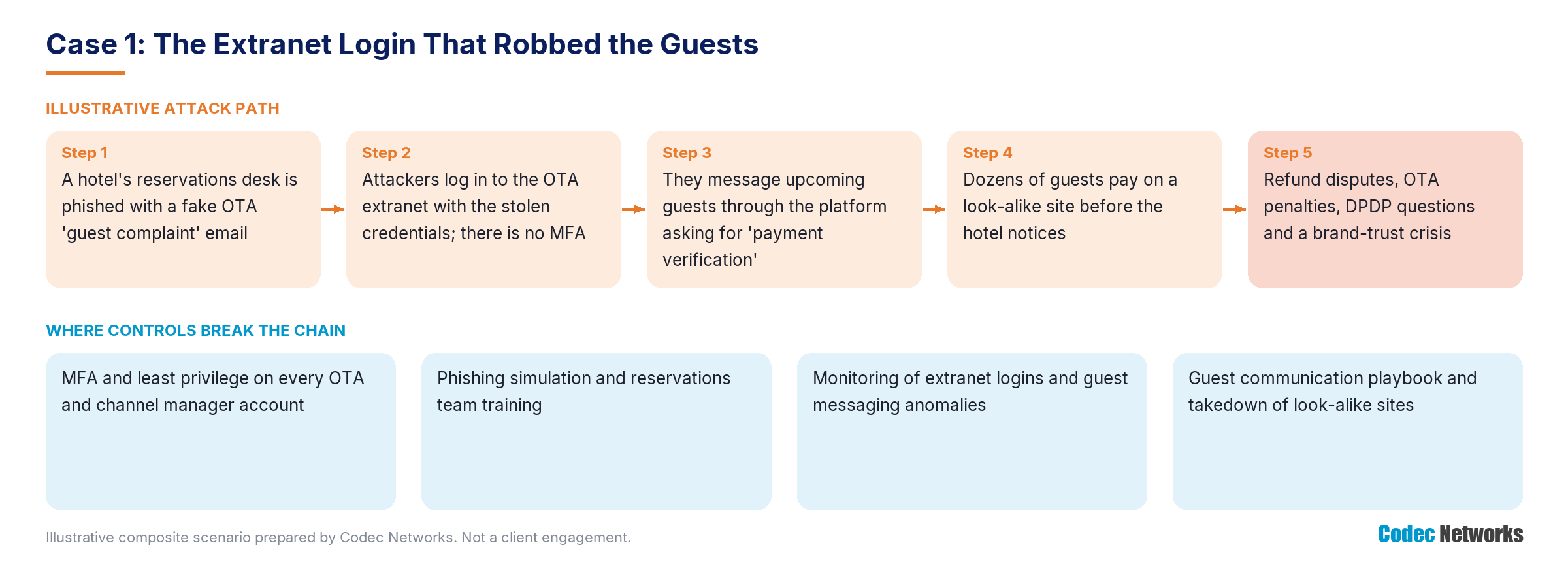
Figure 8: Illustrative attack path for Case Study 1 and the controls that break it.
What went wrong
- No MFA on extranet or channel manager accounts.
- Reservations staff untrained on OTA-themed phishing.
- No monitoring of extranet logins or guest messaging.
- No playbook for guest fraud and takedowns.
The impact
Stayco A refunded guests, paid platform penalties, reported the incident and rebuilt its distribution account security.
The regulatory lens
- DPDP: guest booking data accessed through the extranet.
- CERT-In Directions: incident reported within six hours.
- OTA contract: platform security and guest-protection obligations.
How Codec Networks would help
|
Need |
Codec Networks response |
Bundle |
|
Train and rehearse |
Phishing simulation for reservations teams and a guest-fraud tabletop |
B10 |
|
Watch the channels |
SOC monitoring of extranet logins, messaging anomalies and look-alike sites |
B7 |
|
Harden the flows |
Extranet account review, MFA and payment link controls |
B2 |
|
Key lessons Enforce MFA on every distribution account. Train reservations teams on OTA-themed phishing. Monitor extranet activity and guest messages. Be ready to warn guests and take down fakes. |
Case Study 2: The PMS Vendor That Opened Every Door
The hotels did nothing wrong. Their guests' passports leaked anyway.
|
At a glance |
|
|
Organisation |
A listed hotel management company (“Hotelco B”) operating 60 properties on a cloud PMS |
|
Threat |
A PMS vendor's support account compromised and used to download reservation and identity data across hundreds of properties |
|
Why it is new |
Vendor-held guest data is the biggest concentration of risk in hospitality |
|
Codec Networks services |
Vendor assurance, DPDP programme, SOC (Bundles B9, B6, B7) |
The scenario
Hotelco B's cloud PMS vendor had a support portal without MFA that allowed bulk exports. A support engineer's credentials were stolen from an infected personal device.
Reservation records, scanned passports and card tokens for Hotelco B and many other operators were downloaded. Weeks later, samples appeared on a leak site.
Hotelco B learned of the breach from journalists. It had no inventory of what the vendor held, no contractual notification clause and no plan for notifying guests across brands and owners.
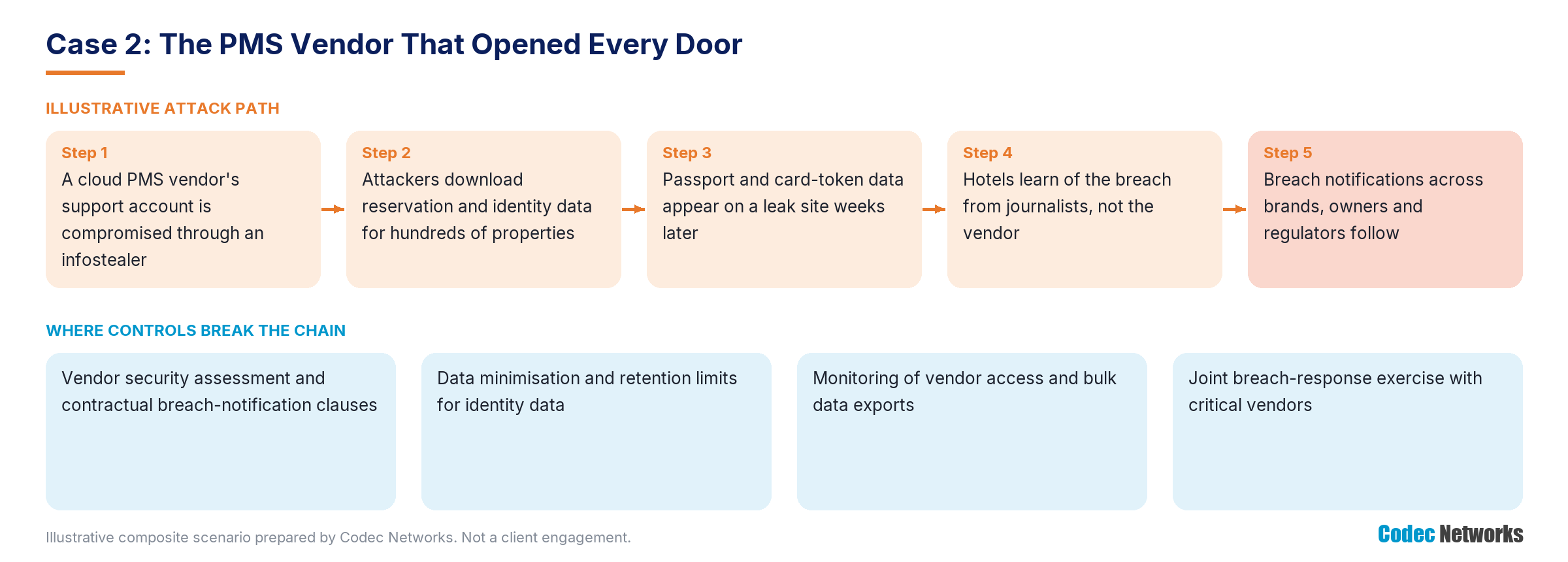
Figure 9: Illustrative attack path for Case Study 2 and the controls that break it.
What went wrong
- No vendor security assessment or contractual breach-notification clause.
- Identity data over-retained and exportable in bulk.
- No monitoring of vendor access or exports.
- No cross-brand breach-response plan.
The impact
Hotelco B notified guests and owners, disclosed the incident quarterly, faced DPDP questions and reworked its vendor contracts and data retention.
The regulatory lens
- DPDP: guest identity data held by a processor; fiduciary accountability.
- SEBI LODR: cyber incident disclosed in the quarterly corporate governance report.
- Brand and owner contracts: notification and remediation obligations.
How Codec Networks would help
|
Need |
Codec Networks response |
Bundle |
|
Assess and contract |
Vendor security assessments and breach-notification, audit and recovery clauses |
B9 |
|
Minimise and map |
DPDP programme with data mapping, retention limits and breach playbooks |
B6 |
|
Watch the vendor |
Monitoring of vendor access and bulk data exports |
B7 |
|
Key lessons Know what every vendor holds. Put notification and audit rights in contracts. Minimise and expire identity data. Plan breach response across brands and owners. |
Case Study 3: The Deposit That Left With the Email
The invoice looked right. The account number was not.
|
At a glance |
|
|
Organisation |
A tour operator (“Tourco C”) organising conferences and incentive trips for corporate clients |
|
Threat |
A sales manager's mailbox accessed after password reuse and used to send a 'revised' invoice with new bank details for a large event deposit |
|
Why it is new |
Event deposits are large, time-bound and paid on trust |
|
Codec Networks services |
BEC simulation and training, SOC monitoring, payment flow review (Bundles B10, B7, B2) |
The scenario
A sales manager at Tourco C reused a password that had leaked from another service. The mailbox had no MFA, and a forwarding rule quietly copied every message about a large corporate conference.
Days before the deposit was due, the client received a revised invoice from the genuine mailbox with new bank details and a plausible explanation. The client's accounts team paid.
The diversion was discovered when Tourco C chased the overdue deposit. Recovery was partial, the client terminated the contract and filed a complaint, and Tourco C reported the incident.
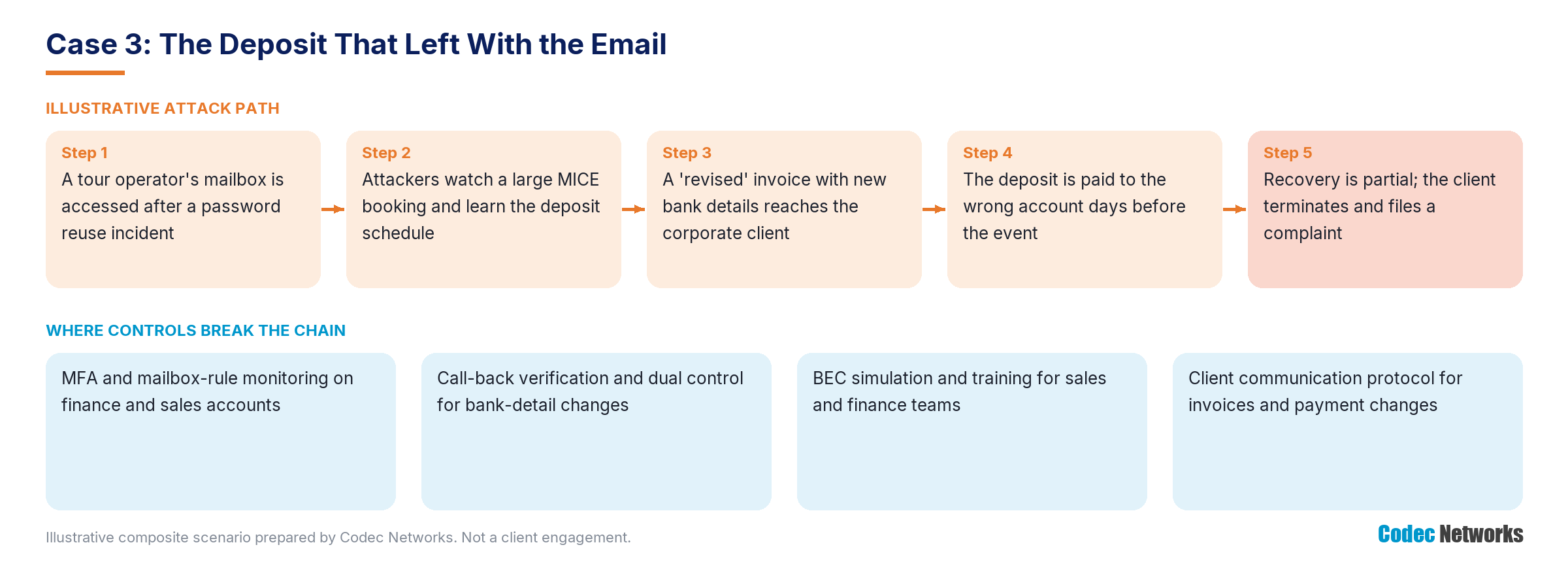
Figure 10: Illustrative attack path for Case Study 3 and the controls that break it.
What went wrong
- No MFA on sales and finance mailboxes.
- No monitoring of forwarding and mailbox rules.
- No agreed protocol with clients for invoice or bank-detail changes.
- Sales and finance staff untrained on BEC.
The impact
Tourco C lost a key client and most of the deposit, faced a complaint and rebuilt its payment communication and mailbox security.
The regulatory lens
- CERT-In Directions: incident reported within six hours.
- DPDP: client and traveller data in the compromised mailbox.
- Client contract: payment and confidentiality obligations.
How Codec Networks would help
|
Need |
Codec Networks response |
Bundle |
|
Train and rehearse |
BEC simulation and training for sales and finance teams |
B10 |
|
Watch the mailboxes |
Monitoring of mailbox rules, logins and invoice anomalies |
B7 |
|
Harden the flows |
Payment communication protocol and verification controls |
B2 |
|
Key lessons Enforce MFA and block password reuse. Alert on mailbox rules and unusual logins. Agree a verification protocol with every client. Train sales and finance teams on BEC. |
Case Study 4: The Points That Became Plane Tickets
Members had not logged in for months. Their points were flying.
|
At a glance |
|
|
Organisation |
A hotel group's loyalty programme (“Loyalco D”) with partner redemptions for flights and gift cards |
|
Threat |
Automated login attempts using leaked credentials taking over member accounts and redeeming points through partner integrations |
|
Why it is new |
Loyalty points are a liquid currency with weaker controls than payments |
|
Codec Networks services |
Application and API testing, SOC fraud analytics, DPDP (Bundles B2, B7, B6) |
The scenario
Loyalco D's login had no bot management or rate limiting, and many members reused passwords. Automated attempts using leaked credential lists succeeded on thousands of accounts.
Points were redeemed for flights, stays and gift cards through partner integrations that required no step-up verification. Members discovered empty accounts and complained publicly.
Partners clawed back redemptions, members were compensated and a privacy inquiry asked how member data had been protected.
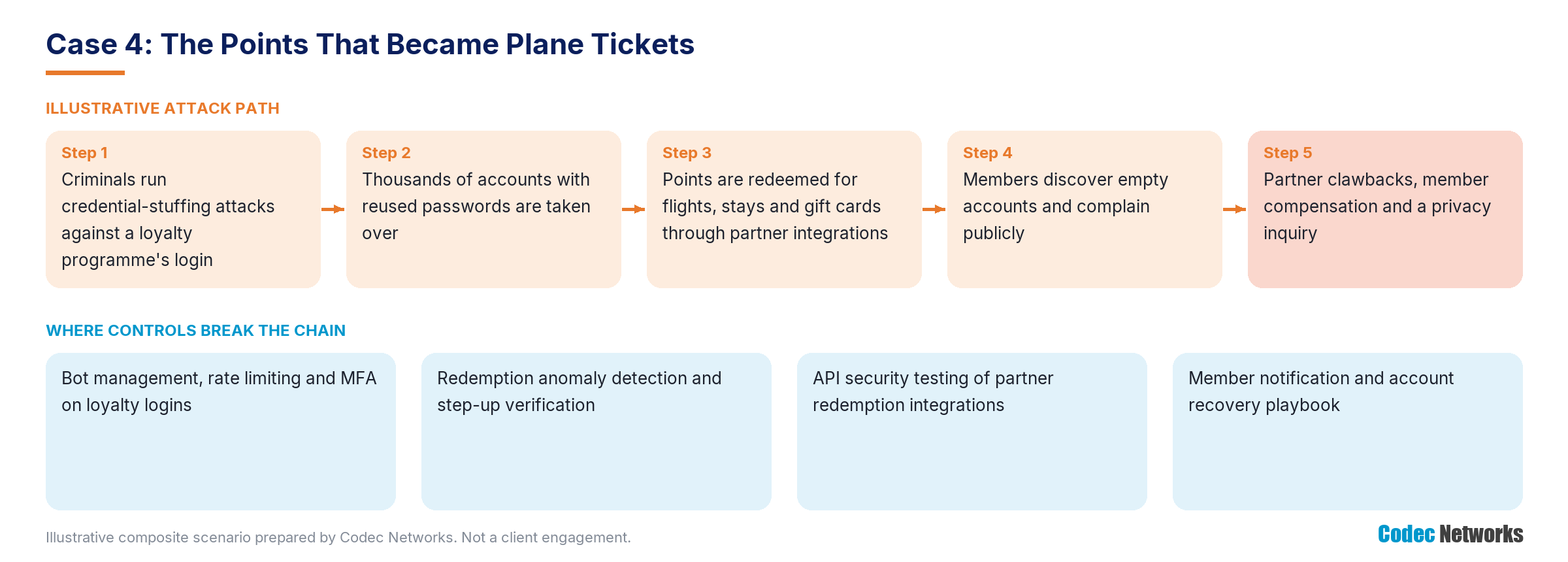
Figure 11: Illustrative attack path for Case Study 4 and the controls that break it.
What went wrong
- No bot management or rate limiting on login.
- No MFA or step-up verification for high-value redemptions.
- Partner redemption APIs untested for abuse.
- No anomaly detection on redemptions.
The impact
Loyalco D compensated members, absorbed partner clawbacks, answered regulators and rebuilt its login and redemption controls.
The regulatory lens
- DPDP: member profiles and travel data exposed through account takeover.
- CERT-In Directions: incident reported within six hours.
- Partner contracts: redemption integrity and clawback terms.
How Codec Networks would help
|
Need |
Codec Networks response |
Bundle |
|
Test the platform |
Application and API testing, bot resistance and partner API review |
B2 |
|
Watch redemptions |
SOC fraud analytics and anomaly detection |
B7 |
|
Protect members |
DPDP programme and member notification playbook |
B6 |
|
Key lessons Treat points like money. Manage bots and rate-limit logins. Require step-up verification for redemptions. Monitor redemption patterns. |
Case Study 5: The Resort That Ran on Paper
Peak season, full house, and every key card was dead.
|
At a glance |
|
|
Organisation |
A listed resort group (“Resortco E”) with twelve properties and a shared IT contractor |
|
Threat |
Ransomware encrypting PMS interface servers, PoS, the key-card system and backups after an IT contractor account was compromised |
|
Why it is new |
Property systems share networks and credentials more often than anyone admits |
|
Codec Networks services |
Segmentation and recovery, SOC, crisis exercises (Bundles B3, B7, B10) |
The scenario
Resortco E's IT contractor was phished, and the attackers gained administrative access that reached every property over several weeks.
On the first night of the peak season they encrypted PMS interfaces, PoS, the key-card system and the backup server. Guests queued at reception while staff issued paper keys and handwritten bills.
Bookings leaked to competitors. Resortco E refused to pay, rebuilt over two weeks with vendor help, reported the incident and disclosed it in its quarterly report.
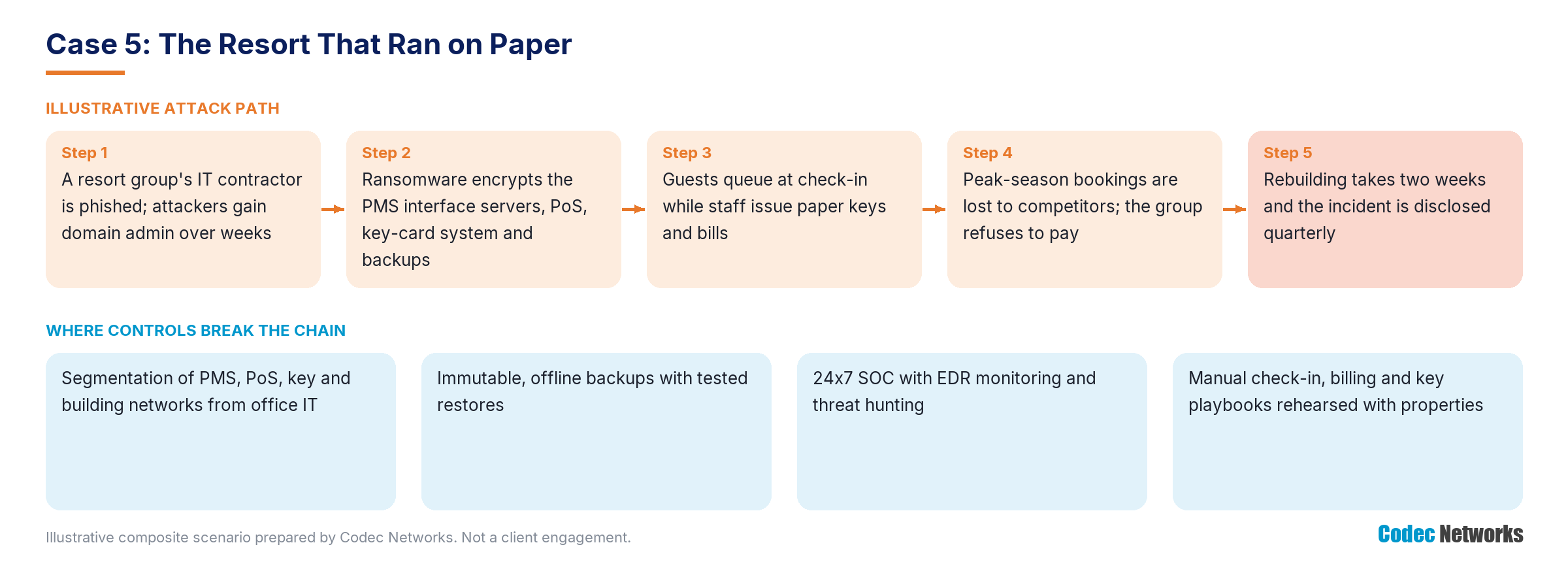
Figure 12: Illustrative attack path for Case Study 5 and the controls that break it.
What went wrong
- Contractor account with administrative access across properties and no MFA.
- PMS, PoS, key and backup systems on one network.
- EDR alerts not monitored 24x7.
- No manual operation playbook rehearsed with properties.
The impact
Resortco E lost two weeks of peak-season revenue, paid recovery costs, disclosed the incident quarterly and rebuilt its property network and contractor controls.
The regulatory lens
- CERT-In Directions: incident reported within six hours.
- PCI DSS and acquirer rules: PoS compromise investigated and reported.
- SEBI LODR: cyber incident disclosed in the quarterly corporate governance report.
How Codec Networks would help
|
Need |
Codec Networks response |
Bundle |
|
Separate and recover |
Segmentation of PMS, PoS, key and building networks; immutable backups; tested restores |
B3 |
|
Detect early |
24x7 SOC with EDR monitoring and threat hunting |
B7 |
|
Rehearse the outage |
Manual check-in, billing and key playbooks and crisis exercises |
B10 |
|
Key lessons Limit and monitor contractor access. Segment property systems from office IT. Keep backups off the domain and test restores. Plan to run a property on paper. |
Talk to Codec Networks
|
Contact Codec Networks Pvt. Ltd. New Delhi: 507, 5th Floor, New Delhi House, Barakhamba Road, Connaught Place, New Delhi – 110001 Gurugram: 707, 7th Floor, Silverton Tower, Golf Course Extension Road, Sector 50, Gurugram – 122018, Haryana Landline: 011 430 496 96 | 011 437 522 99 Mobile: +91 99716 76124 | +91 88007 88220 | +91 88003 31124 Email: mktg@codecnetworks.com Web: www.codecnetworks.com |