

Resources Categories
INDUSTRY FACT FILE · GOVERNMENT, PSUS & PUBLIC DIGITAL SERVICES
Five New Case Studies in Government and Public Sector Security
Original 2026 case studies, each written as a blog post, showing how current threats play out in public hospitals, municipal portals, central PSUs, government technology providers and state data centres, and how Codec Networks services break the attack chain.
|
In this document 1. About these case studies 2. Case Study 1: The Hospital That Went Back to Paper 3. Case Study 2: The Certificate Portal That Said Too Much 4. Case Study 3: The Circular That Was Not From the Ministry 5. Case Study 4: One Vendor Account, Twelve Portals 6. Case Study 5: The Night Forty Websites Were Defaced |
About these case studies
These five case studies were written for this document set and have not been published elsewhere. Each is a composite scenario combining attack techniques and control failures widely observed in government and public-sector organisations with the obligations that apply in India as of October 2026—in particular CERT-In's Directions, its Guidelines on Information Security Practices for Government Entities and its 2025 audit policy, NCIIPC duties for protected systems, GIGW 3.0, the DPDP Act and Rules and the tender and contract terms under which public systems are built and run.
|
Important disclosure The organisations described are fictional and the scenarios are illustrative. They are not accounts of real incidents, and they are not Codec Networks client engagements or claims of achieved outcomes. Their value lies in showing how connected weaknesses form an attack chain, which controls break it, and which services test those controls. |
|
Case study |
Organisation type |
Core threat |
Regulatory lens |
Primary bundles |
|
1. The Hospital That Went Back to Paper |
State government teaching hospital |
Ransomware through vendor remote access and a flat network |
CERT-In Directions and 2023 guidelines; DPDP |
B3, B7, B8 |
|
2. The Certificate Portal That Said Too Much |
Municipal services portal |
Citizen data exposure through an API authorisation flaw |
DPDP; GIGW 3.0; CERT-In |
B2, B1, B6 |
|
3. The Circular That Was Not From the Ministry |
Central public-sector enterprise |
Spear-phishing and state-linked espionage |
CERT-In; NCIIPC if notified; SEBI LODR |
B7, B10, B8 |
|
4. One Vendor Account, Twelve Portals |
Government technology provider |
Supply chain compromise of a shared deployment server |
Contracts; CERT-In guidelines; DPDP |
B9, B2, B7 |
|
5. The Night Forty Websites Were Defaced |
State data centre |
Hacktivist defacement and DDoS against legacy websites |
CERT-In; GIGW 3.0; state IT policy |
B1, B7, B10 |
Case Study 1: The Hospital That Went Back to Paper
The vendor needed to connect once a month. The port stayed open all year.
|
At a glance |
|
|
Organisation |
A state government teaching hospital (“Hospco A”) with outpatient, inpatient, laboratory and billing systems on its own servers |
|
Threat |
An internet-exposed remote-desktop port left open for a vendor, a weak password and a flat network that let ransomware reach every server |
|
Why it is new |
Hospitals cannot stay offline, so they are prime ransomware targets |
|
Codec Networks services |
Segmentation and remote-access hardening, managed SOC, ransomware response (Bundles B3, B7, B8) |
The scenario
Hospco A's hospital information system had been built and supported by a private vendor that connected remotely once a month to apply updates. To make that easy, a remote-desktop port on one application server had been opened to the internet with a shared administrator password that had not changed in years.
Attackers found the port in an internet-wide scan and guessed the password. Because the hospital network was flat, the same administrator account reached the laboratory, radiology, billing and backup servers. Over a weekend they disabled antivirus, deleted online backup copies and encrypted every server they could reach.
On Monday morning registration counters could not issue numbers, laboratory reports could not be printed and doctors went back to paper. Hospco A reported to CERT-In, called in forensics and restored from an older offline copy found at the vendor's office. Full services took eleven days to return, and questions in the assembly followed.
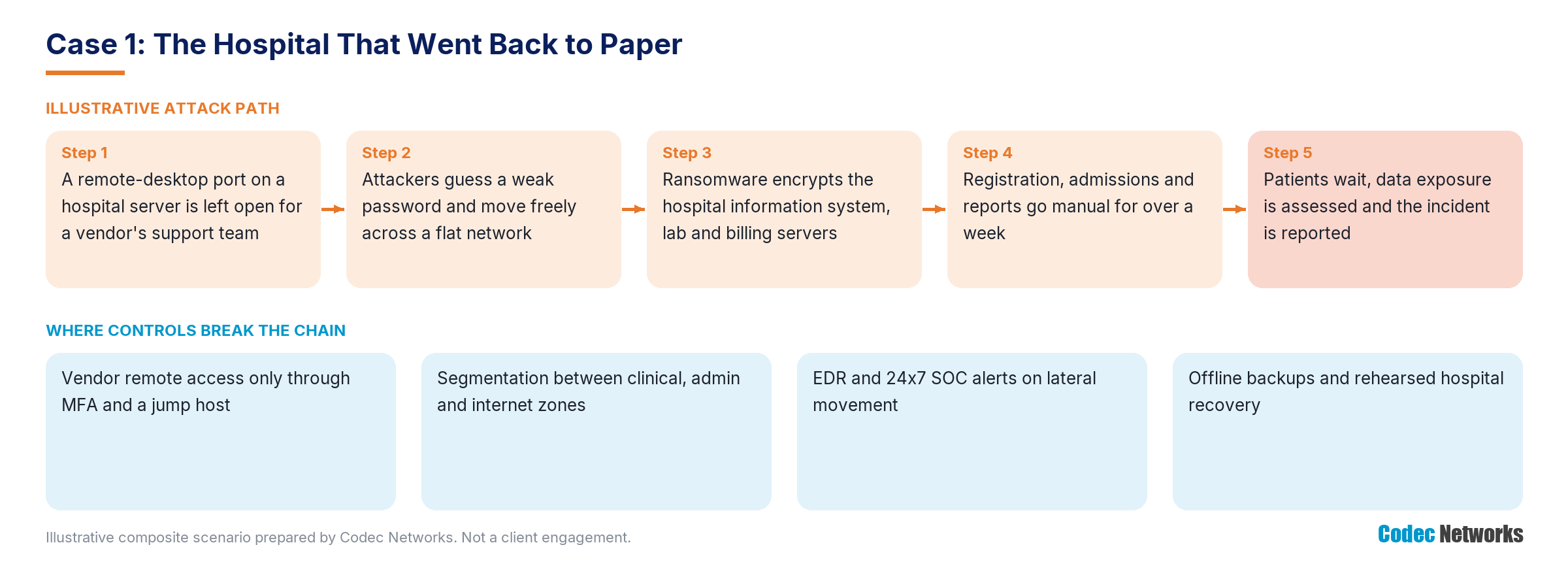
Figure 8: Illustrative attack path for Case Study 1 and the controls that break it.
What went wrong
- Remote desktop exposed to the internet with a shared, unchanged password.
- Flat network with no separation between clinical, administrative and backup zones.
- Online backups reachable and deletable by the same administrator account.
- No 24x7 monitoring to catch the weekend intrusion.
The impact
Hospco A ran on manual processes for eleven days, delayed treatment and reports, faced legislative questions and audit observations, and rebuilt its network with segmentation, vendor access controls and monitoring.
The regulatory lens
- CERT-In Directions: incident reported within six hours of noticing it; 180-day logs needed for the investigation.
- CERT-In guidelines for government entities: CISO accountability, third-party access controls, audits and backups.
- DPDP: patient personal data on the encrypted servers assessed for exposure; intimation duties once provisions commence.
How Codec Networks would help
|
Need |
Codec Networks response |
Bundle |
|
Close and zone the network |
Remote access only through MFA and a jump host; clinical, admin and backup segmentation |
B3 |
|
Watch the weekend |
EDR and 24x7 SOC alerts on lateral movement, backup deletion and mass encryption |
B7 |
|
Recover and explain |
Ransomware response, forensics, restore planning and CERT-In reporting support |
B8 |
|
Key lessons Never expose remote desktop to the internet. Separate clinical, admin and backup zones. Keep one backup copy offline and tested. Monitor nights and weekends, not office hours. |
Case Study 2: The Certificate Portal That Said Too Much
Every request came from a logged-in user. None of them owned the records they asked for.
|
At a glance |
|
|
Organisation |
A state urban development agency (“Cityco B”) running a portal for birth, death and marriage certificates and property tax across its towns |
|
Threat |
An API that returned any certificate or tax record when a sequential application number was changed, exploited by automated scraping |
|
Why it is new |
Authorisation flaws in citizen APIs expose whole databases without any break-in |
|
Codec Networks services |
Application and API security audits, infrastructure testing, DPDP programme (Bundles B2, B1, B6) |
The scenario
Cityco B had launched a new mobile app for its certificate and property tax portal. The app called a set of APIs that checked whether the user was logged in, but not whether the application number in each request belonged to that user. The web portal had been audited before hosting; the new APIs had not.
A scraper registered an ordinary account and wrote a script that counted through application numbers. Over three weeks it downloaded lakhs of records containing names, addresses, parents' names, phone numbers and property details. The data was offered for sale and used for fraud calls claiming to be from the municipal office.
A journalist's query and a CERT-In notification arrived the same week. Cityco B took the app offline, commissioned an urgent audit, fixed the APIs and issued public advisories, while citizens' complaints about fraud calls continued for months.
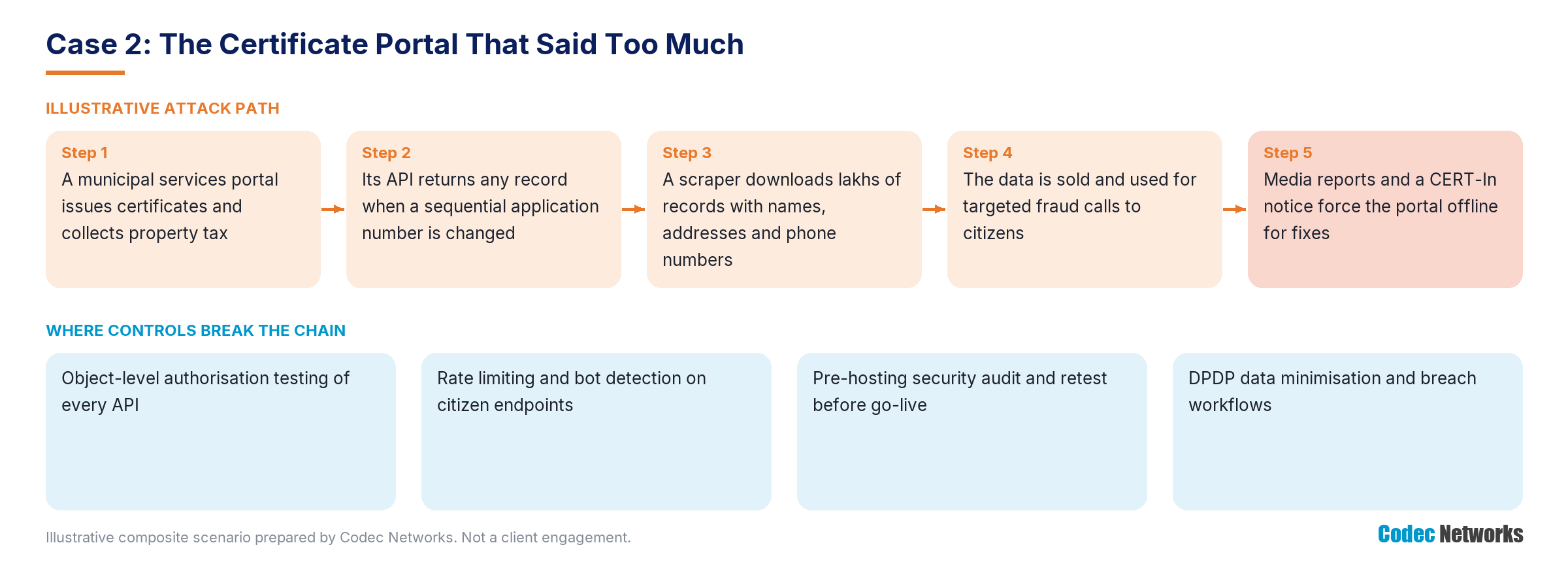
Figure 9: Illustrative attack path for Case Study 2 and the controls that break it.
What went wrong
- No object-level authorisation on API requests.
- New APIs went live without an audit after the web portal was cleared.
- No rate limiting or bot detection on citizen endpoints.
- APIs returned more data than the app needed.
The impact
Cityco B suspended the app, handled public criticism and citizen complaints, faced audit observations and committed to testing every release and minimising the data returned by its APIs.
The regulatory lens
- DPDP: citizen personal data processed by the State for services must follow the Rules' standards and safeguards; breach intimation duties once provisions commence.
- GIGW 3.0: cybersecurity requirements for government websites and apps, alongside a separate application security audit.
- CERT-In Directions: data exposure reported within six hours of noticing it.
How Codec Networks would help
|
Need |
Codec Networks response |
Bundle |
|
Test every release |
Web, mobile and API security audits before hosting and after every change |
B2 |
|
Find the exposure |
External attack-surface review and rate-limit and bot-control testing |
B1 |
|
Return less data |
DPDP data minimisation review, data map and breach workflow |
B6 |
|
Key lessons Check ownership of every record requested. Audit new APIs, not just the website. Rate-limit and monitor citizen endpoints. Return only the data the screen needs. |
Case Study 3: The Circular That Was Not From the Ministry
The circular looked exactly like the last one. The domain was one letter different.
|
At a glance |
|
|
Organisation |
A central public-sector engineering enterprise (“Psuco C”) designing and building large infrastructure projects |
|
Threat |
Spear-phishing using a fake ministry circular from a lookalike domain, a backdoor on an engineer's laptop and months of quiet exfiltration of drawings and tender documents |
|
Why it is new |
Espionage actors imitate official correspondence because officials are expected to open it |
|
Codec Networks services |
SOC threat hunting, phishing simulation, compromise assessment and forensics (Bundles B7, B10, B8) |
The scenario
Engineers at Psuco C received an email titled as a ministry circular on project reviews, sent from a domain that differed by one letter from the real one. The attached document asked the reader to enable content to view a table. One engineer did, and a small backdoor was installed on his laptop.
Over the following months the attackers harvested email credentials, mapped the project file servers and copied drawings, bid documents and correspondence in small, regular transfers that looked like normal traffic. Nobody was hunting for beaconing to unfamiliar servers.
The first sign came from outside: CERT-In alerted Psuco C that one of its addresses was communicating with a known command server. A compromise assessment found the backdoor on several machines, and the enterprise had to assess what had been taken, report the incident and brief its Board and ministry.
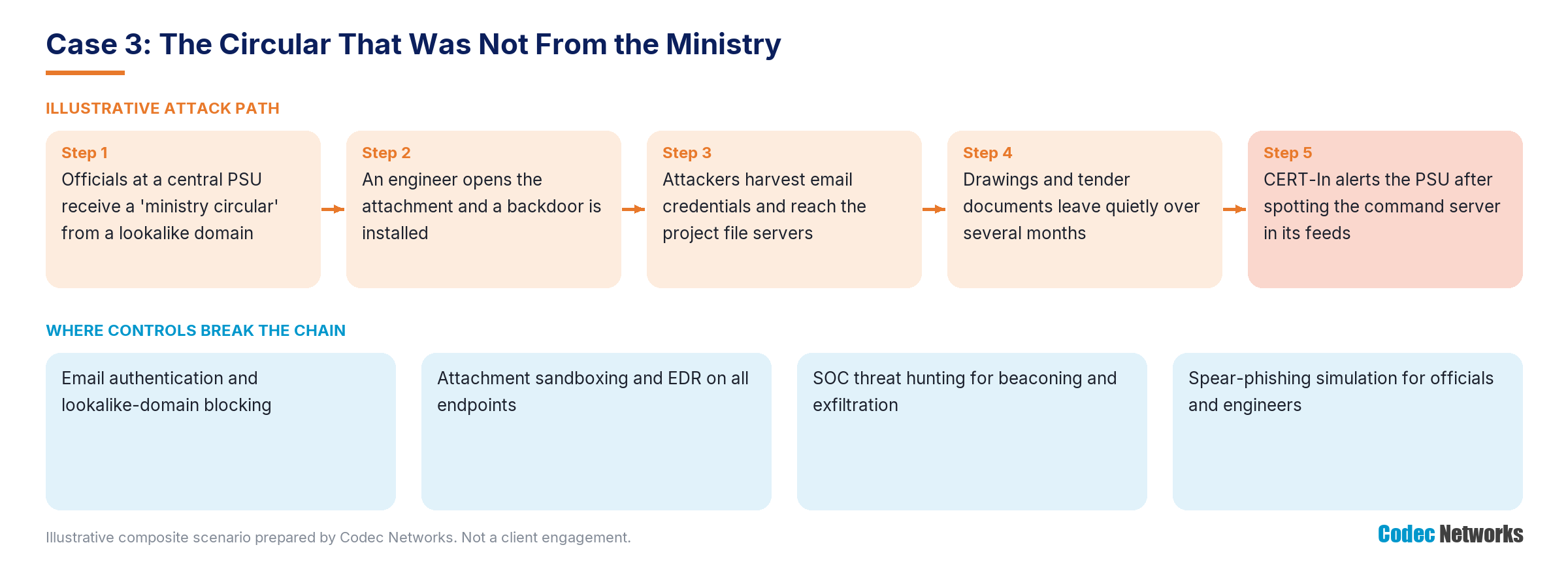
Figure 10: Illustrative attack path for Case Study 3 and the controls that break it.
What went wrong
- No lookalike-domain blocking or strong email authentication checks.
- Macros allowed in documents from the internet.
- No threat hunting for beaconing or slow exfiltration.
- No realistic phishing training for engineers and officials.
The impact
Psuco C lost sensitive project and tender information, spent months on investigation and clean-up, briefed its Board and ministry, considered disclosure duties and rebuilt its email and endpoint defences.
The regulatory lens
- CERT-In Directions: incident reported within six hours of noticing it; logs needed for the investigation.
- NCIIPC: if any affected system is a notified protected system, NCIIPC guidance and reporting apply.
- SEBI LODR (if listed): cyber incidents disclosed in the quarterly corporate governance report.
How Codec Networks would help
|
Need |
Codec Networks response |
Bundle |
|
Hunt the intruder |
SOC threat hunting for beaconing, credential misuse and exfiltration |
B7 |
|
Train the target |
Spear-phishing simulation with realistic official lures for officials and engineers |
B10 |
|
Scope the loss |
Compromise assessment, forensics and reporting support |
B8 |
|
Key lessons Block lookalike domains and macros from the internet. Hunt for quiet beaconing, not just alerts. Train officials with realistic official lures. Assume someone else may spot you first. |
Case Study 4: One Vendor Account, Twelve Portals
Twelve departments had twelve portals. They all trusted one developer's password.
|
At a glance |
|
|
Organisation |
A system integrator (“Infraco D”) that builds and hosts portals for twelve departments of a state government |
|
Threat |
A developer's reused password giving access to a shared deployment server, followed by a web shell planted in a common code library used by every portal |
|
Why it is new |
One vendor's weakness becomes every department's incident |
|
Codec Networks services |
Third-party risk, secure development and code review, managed SOC (Bundles B9, B2, B7) |
The scenario
Infraco D used a shared deployment server and a common code library for all twelve department portals it maintained. Developers logged in with passwords and no MFA. One developer reused his password on a personal account that had been exposed in an unrelated breach.
Attackers used the password to log into the deployment server, added a web shell to the common library and waited for the next routine release to push it to every portal. Within days they had copied applicant data from several departments and defaced three homepages with political messages.
Departments suspended services and asked Infraco D for evidence of its controls. The state IT department invoked audit rights, required every portal to be retested before going back online and began reviewing the contract and the vendor's access across government.
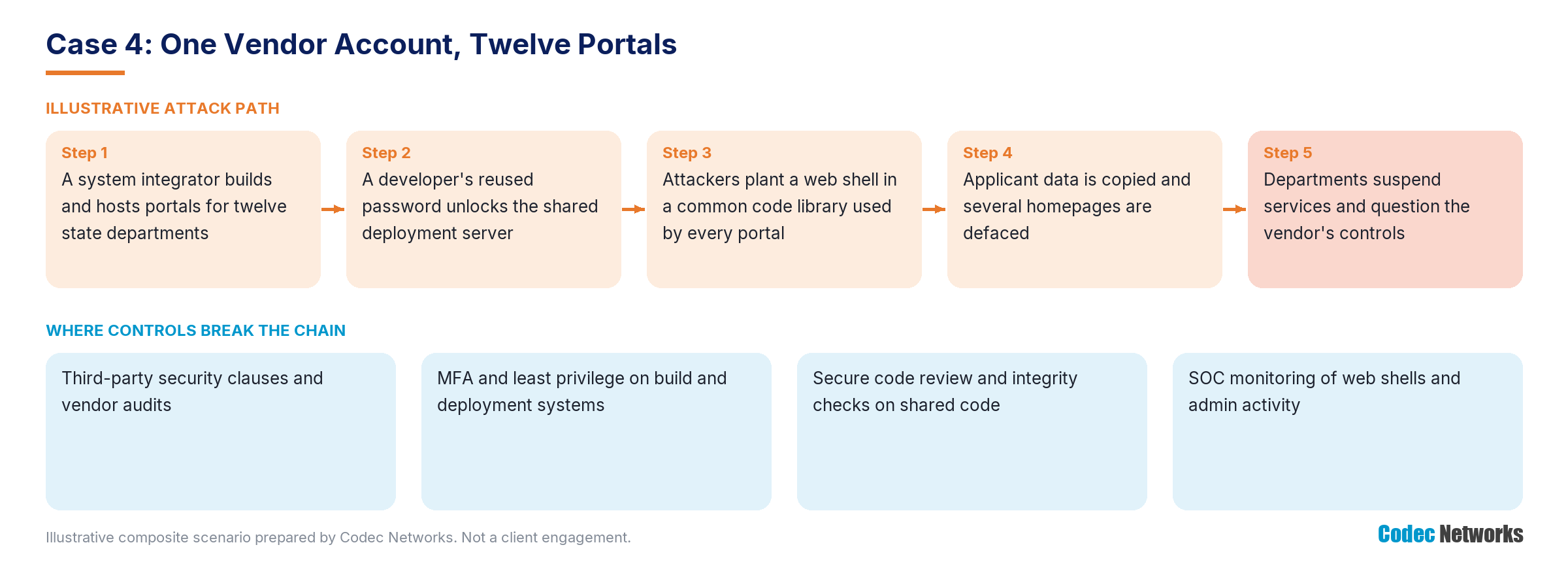
Figure 11: Illustrative attack path for Case Study 4 and the controls that break it.
What went wrong
- No MFA on developer and deployment accounts.
- Shared code and servers with no integrity checks.
- No vendor audits or security clauses enforced in the contract.
- No monitoring of web shells or changes to production code.
The impact
Infraco D faced contract penalties and the risk of losing its government business, departments suspended services and notified affected applicants, and the state adopted vendor security audits and code-integrity checks.
The regulatory lens
- Contracts and tender terms: security, audit, reporting and penalty clauses invoked by the departments.
- CERT-In guidelines for government entities: controls on third-party access and outsourcing; incidents reported within six hours under the Directions.
- DPDP: applicant personal data processed for the State by a vendor; safeguards and breach intimation once provisions commence.
How Codec Networks would help
|
Need |
Codec Networks response |
Bundle |
|
Audit the vendor |
Third-party security assessment and enforceable contract clauses |
B9 |
|
Secure the pipeline |
Secure SDLC, code review and integrity checks on shared libraries |
B2 |
|
Spot the shell |
SOC monitoring of web shells, admin activity and code changes |
B7 |
|
Key lessons Require MFA for every vendor and developer. Check the integrity of shared code before release. Audit vendors, not only their deliverables. Monitor production for unexpected changes. |
Case Study 5: The Night Forty Websites Were Defaced
Most of the sites had not been updated in years. Some belonged to schemes that had ended.
|
At a glance |
|
|
Organisation |
A state data centre (“Dataco E”) hosting several hundred department, district and scheme websites on shared infrastructure |
|
Threat |
A hacktivist campaign exploiting known flaws in old content-management systems to deface forty websites overnight, combined with a DDoS on the main state portal |
|
Why it is new |
Forgotten websites give hacktivists easy, highly visible targets during tense events |
|
Codec Networks services |
External exposure assessment, managed SOC with defacement and DDoS monitoring, crisis exercises (Bundles B1, B7, B10) |
The scenario
Dataco E hosted hundreds of websites built over fifteen years by different departments and vendors. Many ran old versions of content-management systems; some belonged to schemes that had ended, and nobody could say who owned them. There was no complete inventory.
During a tense national event, a hacktivist group announced a campaign against government websites and scanned for known flaws. Overnight it defaced forty sites hosted at Dataco E with propaganda, while a DDoS made the main state portal unreachable during the busiest morning hours.
Screenshots spread on social media before the data centre team was awake. Sites were taken offline one by one, restored, patched and audited before returning, the incident was reported to CERT-In, and the state ordered a review of every hosted site.
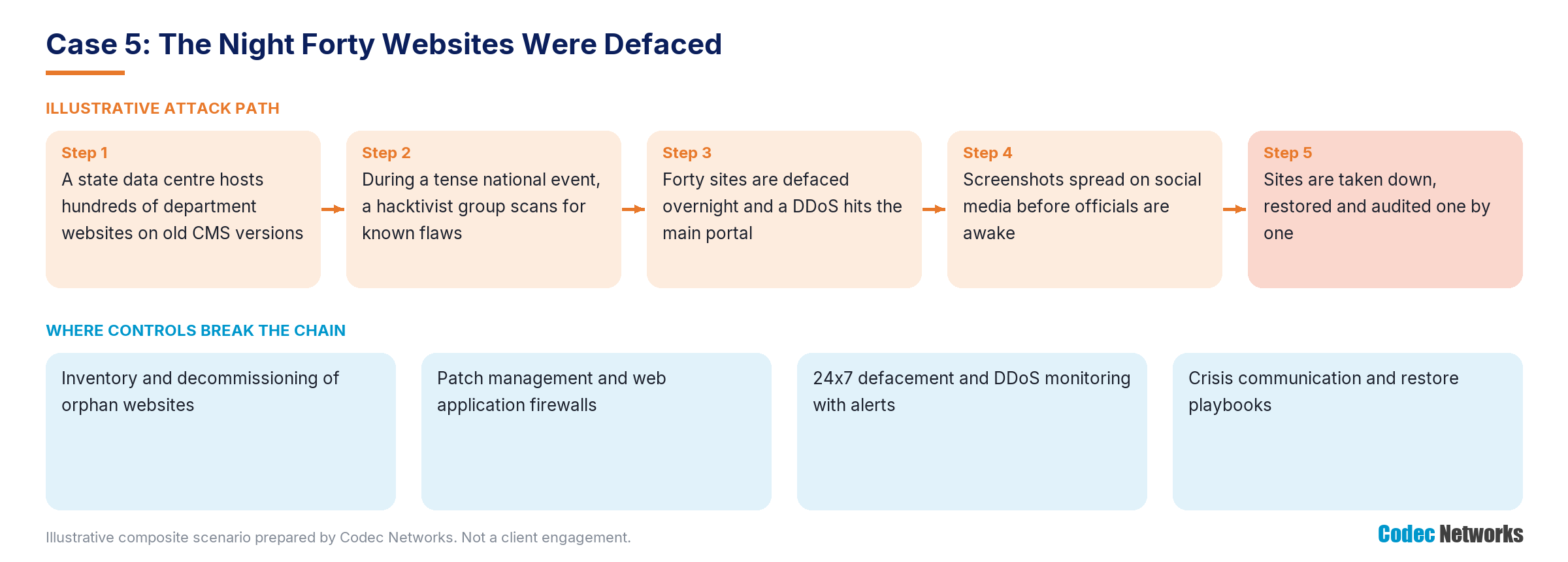
Figure 12: Illustrative attack path for Case Study 5 and the controls that break it.
What went wrong
- No inventory or ownership of hosted websites.
- Old CMS versions left unpatched for years.
- No defacement or DDoS monitoring outside office hours.
- No crisis playbook for public communication.
The impact
Dataco E took dozens of sites offline, faced public embarrassment and misinformation, spent weeks restoring and auditing sites, and decommissioned more than a hundred orphan websites.
The regulatory lens
- CERT-In Directions: defacement and DDoS are reportable incidents, to be reported within six hours of noticing them.
- GIGW 3.0: lifecycle management and cybersecurity requirements for government websites, including timely updates and decommissioning.
- State IT policies: hosting conditions and security audit requirements for sites in the state data centre.
How Codec Networks would help
|
Need |
Codec Networks response |
Bundle |
|
Find every site |
External attack-surface inventory, vulnerability scans and decommissioning plan |
B1 |
|
Watch all night |
24x7 defacement, DDoS and web-attack monitoring with alerting |
B7 |
|
Rehearse the morning |
Crisis exercise on defacement and DDoS with communication playbooks |
B10 |
|
Key lessons Keep an owner for every hosted website. Retire sites when schemes end. Monitor defacement and DDoS around the clock. Prepare public messages before you need them. |
Talk to Codec Networks
|
Contact Codec Networks Pvt. Ltd. New Delhi: 507, 5th Floor, New Delhi House, Barakhamba Road, Connaught Place, New Delhi – 110001 Gurugram: 707, 7th Floor, Silverton Tower, Golf Course Extension Road, Sector 50, Gurugram – 122018, Haryana Landline: 011 430 496 96 | 011 437 522 99 Mobile: +91 99716 76124 | +91 88007 88220 | +91 88003 31124 Email: mktg@codecnetworks.com Web: www.codecnetworks.com |