

Resources Categories
INDUSTRY FACT FILE · FINTECH
Five New Case Studies in Fintech Security
Original 2026 case studies, each written as a blog post, showing how current threats play out for fintechs and their regulated partners, and how Codec Networks services break the attack chain.
|
In this document 1. About these case studies 2. Case Study 1: The Webhook Nobody Owned 3. Case Study 2: Consent Given Once, Data Used Forever 4. Case Study 3: The SDK That Phoned Home 5. Case Study 4: The Deepfake Borrower 6. Case Study 5: The Leaked Key in a Public Repository |
About these case studies
These five case studies were written for this document set and have not been published elsewhere. Each is a composite scenario combining attack techniques and control failures widely observed in fintech with the obligations that apply in India as of October 2026—including the Digital Lending Directions, RBI's 2026 cybersecurity Directions for NBFCs and banks, CERT-In's Directions and the DPDP framework.
|
Important disclosure The organisations described are fictional and the scenarios are illustrative. They are not accounts of real incidents, and they are not Codec Networks client engagements or claims of achieved outcomes. Their value lies in showing how connected weaknesses form an attack chain, which controls break it, and which services test those controls. |
|
Case study |
Fintech model |
Core threat |
Regulatory lens |
Primary bundles |
|
1. The Webhook Nobody Owned |
Lending technology platform (LSP) |
Forged partner callbacks |
Digital Lending Directions; CERT-In |
B2, B7, B8 |
|
2. Consent Given Once, Data Used Forever |
Wealth and lending app acting as AA FIU |
Over-retained consented data leaked via a vendor |
AA framework; DPDP; CERT-In |
B6, B9, B3 |
|
3. The SDK That Phoned Home |
Embedded finance platform |
Malicious SDK update in a mobile app |
CERT-In; DPDP; partner contracts |
B2, B9, B7 |
|
4. The Deepfake Borrower |
Instant-loan platform |
Synthetic identities and video injection |
Digital Lending; KYC/V-CIP |
B10, B11, B7 |
|
5. The Leaked Key in a Public Repository |
Financial API provider |
Exposed cloud key and KYC files |
CERT-In; clients' outsourcing rules; DPDP |
B3, B2, B8 |
Case Study 1: The Webhook Nobody Owned
An unsigned callback endpoint let attackers tell a lender that fake loans had been approved.
|
At a glance |
|
|
Organisation |
A lending technology platform (“Platform A”) acting as LSP for three NBFCs |
|
Threat |
Forged webhook callbacks changing loan status |
|
Why it is new |
Lenders remain accountable for LSPs under the Digital Lending Directions—so LSP integration flaws become lender incidents |
|
Codec Networks services |
API and webhook testing, SOC monitoring of partner events, forensic investigation (Bundles B2, B7, B8) |
The scenario
Platform A exposed a webhook endpoint so lender systems could receive status updates. It was built quickly for an early partner and never assigned an owner.
The endpoint accepted any well-formed request without verifying a signature. An attacker discovered it and sent forged callbacks marking fraudulent applications as approved and verified.
One NBFC partner's automated disbursement released funds against the forged statuses before reconciliation caught the mismatch.
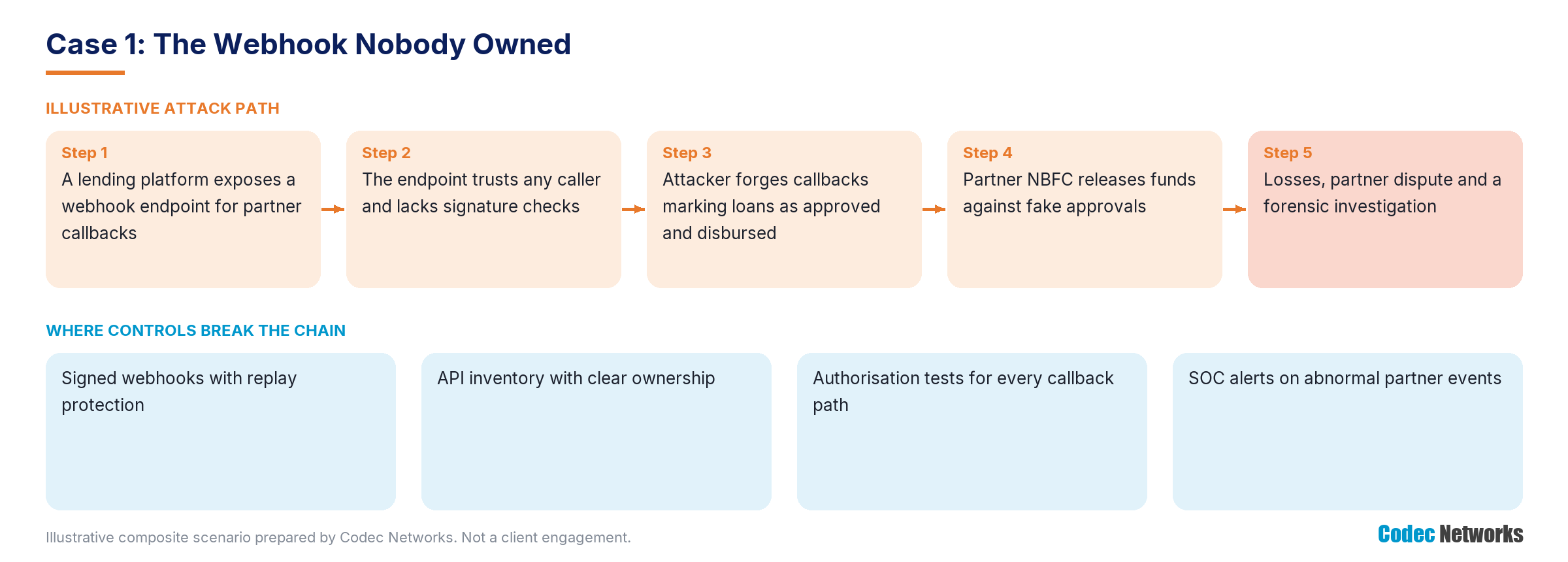
Figure 8: Illustrative attack path for Case Study 1 and the controls that break it.
What went wrong
- No signature or replay protection on callbacks.
- No API inventory or owner for the endpoint.
- Authorisation was never tested on partner-facing paths.
- Unusual callback volumes did not alert anyone.
The impact
The NBFC suffered losses and paused the partnership; Platform A faced a forensic investigation, a contractual dispute and scrutiny from its other lenders.
The regulatory lens
- RBI Digital Lending Directions (2025): the regulated lender remains responsible for its LSP, so lenders audit LSP security.
- Lenders' 2026 cybersecurity Directions: third-party IT arrangements require audit rights and oversight.
- CERT-In Directions: reporting of specified incidents within six hours.
How Codec Networks would help
|
Need |
Codec Networks response |
Bundle |
|
Lock down callbacks |
Webhook signature, replay and authorisation testing |
B2 |
|
Know every endpoint |
API inventory and ownership review |
B2 |
|
Spot abuse |
SOC alerts on abnormal partner events; forensic RCA |
B7, B8 |
|
Key lessons Every webhook needs a signature and an owner. Test authorisation on partner paths, not just customer paths. Alert on unusual callback volumes. Reconcile before funds move. |
Case Study 2: Consent Given Once, Data Used Forever
Account Aggregator data arrived securely—and then stayed in a data lake long after anyone needed it.
|
At a glance |
|
|
Organisation |
A fintech (“App B”) using Account Aggregator data for credit and wealth insights |
|
Threat |
Over-broad consent, over-retention and vendor access leading to data exposure |
|
Why it is new |
AA consent volumes have passed 500 million, and DPDP purpose and retention obligations take effect from May 2027 |
|
Codec Networks services |
DPDPA and consent review, vendor risk assessment, cloud and data-lake review (Bundles B6, B9, B3) |
The scenario
App B requested long-duration, broad consents to fetch customers' bank statements through Account Aggregators.
Raw data was copied into a data lake with no deletion schedule. An analytics vendor was given wide access to the raw tables to build models.
A vendor engineer's laptop was compromised, and the attacker used stored credentials to copy a large dataset.
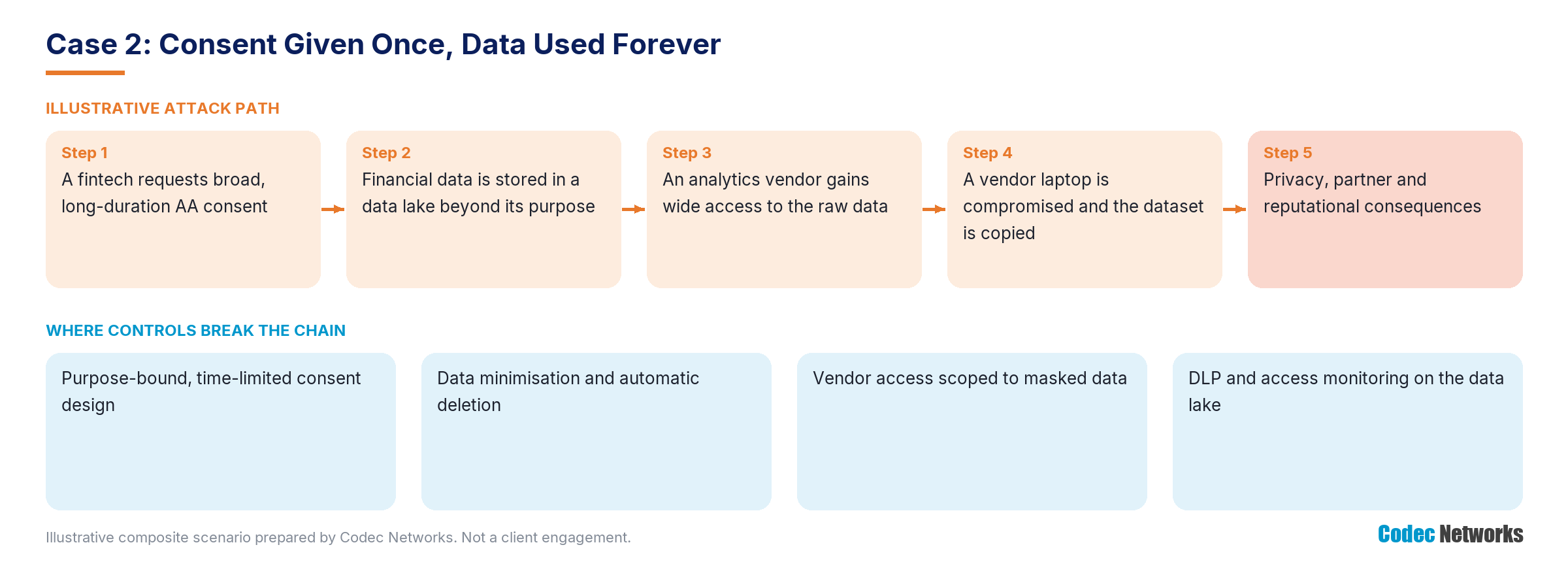
Figure 9: Illustrative attack path for Case Study 2 and the controls that break it.
What went wrong
- Consents were broader and longer than the stated purpose required.
- No retention or deletion for AA data.
- Vendor access to raw data instead of masked or aggregated data.
- Data-lake access was not monitored for bulk exports.
The impact
App B faced customer notification, partner and FIP scrutiny, reputational damage and the prospect of DPDP consequences once breach provisions commence.
The regulatory lens
- RBI framework for Account Aggregators: consent-based sharing for specified purposes; FIUs are regulated entities responsible for the data they receive.
- DPDP Act and Rules: purpose limitation, retention and safeguards; breach intimation once provisions commence.
- CERT-In Directions: data leaks reported within six hours.
How Codec Networks would help
|
Need |
Codec Networks response |
Bundle |
|
Minimise consent |
Consent design and purpose review; DPIA |
B6 |
|
Control vendors |
Vendor risk assessment and access scoping to masked data |
B9 |
|
Protect the lake |
Data-lake access, DLP and monitoring review |
B3, B6 |
|
Key lessons Ask for the least data for the shortest time. Delete consented data when the purpose ends. Give vendors masked data, not raw data. Monitor bulk access to data stores. |
Case Study 3: The SDK That Phoned Home
The app's own code was clean. The analytics SDK it trusted was not.
|
At a glance |
|
|
Organisation |
A consumer platform (“Platform C”) offering embedded credit and payments with bank partners |
|
Threat |
Supply-chain compromise through a third-party SDK |
|
Why it is new |
Fintech apps embed dozens of SDKs; one compromised update can steal tokens from millions of devices |
|
Codec Networks services |
Software composition analysis, SDK review, runtime monitoring (Bundles B2, B9, B7) |
The scenario
Platform C's app included a widely used analytics SDK, configured to update automatically.
The SDK vendor's build system was compromised and a new version began collecting session tokens and device data and sending them to an attacker-controlled server.
Attackers replayed tokens to take over accounts and drain small balances and credit limits.
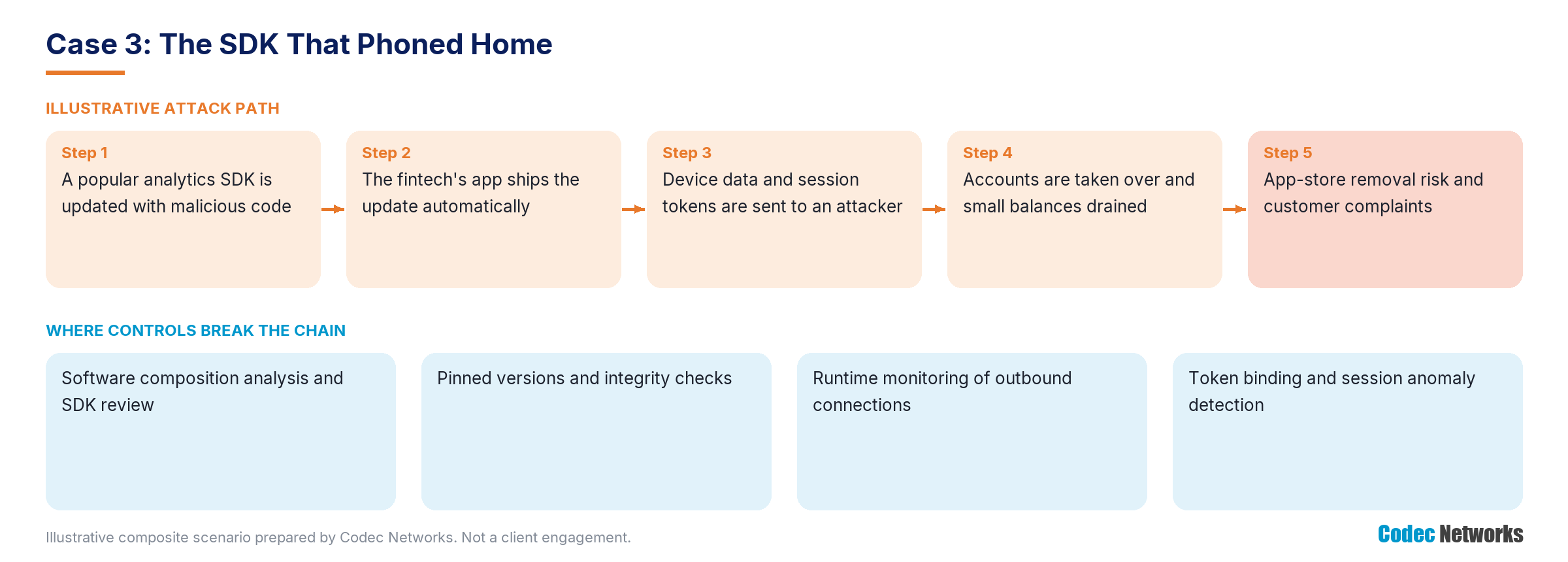
Figure 10: Illustrative attack path for Case Study 3 and the controls that break it.
What went wrong
- SDK versions were not pinned or reviewed before release.
- No SBOM or composition analysis to track components.
- Session tokens were not bound to devices.
- Outbound traffic to unknown domains was not monitored.
The impact
Platform C faced customer losses, partner-bank investigations, app-store risk and costly incident response.
The regulatory lens
- CERT-In Directions: reporting of specified incidents within six hours and 180-day log retention.
- Partners' cybersecurity Directions: banks oversee third-party technology arrangements, including partner apps.
- DPDP Act and Rules: safeguards and breach obligations once commenced.
How Codec Networks would help
|
Need |
Codec Networks response |
Bundle |
|
Know your components |
SBOM, software composition analysis and SDK review |
B2 |
|
Assure suppliers |
SDK and vendor risk assessment |
B9 |
|
Detect exfiltration |
Monitoring of outbound connections and session anomalies |
B7 |
|
Key lessons Pin and review every SDK update. Maintain an SBOM. Bind sessions to devices. Watch where your app sends data. |
Case Study 4: The Deepfake Borrower
Hundreds of borrowers smiled into the camera. None of them existed.
|
At a glance |
|
|
Organisation |
An instant-loan platform (“Platform D”) sourcing loans for two NBFC partners |
|
Threat |
Synthetic identities and injected deepfake video defeating liveness checks |
|
Why it is new |
AI-generated faces and video-injection tools have made onboarding fraud cheap and scalable |
|
Codec Networks services |
Deepfake and onboarding fraud simulation, AI security review, fraud analytics (Bundles B10, B11, B7) |
The scenario
A fraud ring combined forged documents with AI-generated faces. Using a virtual camera, they injected pre-recorded deepfake video into Platform D's onboarding flow.
The liveness check, designed for photo-replay attacks, accepted the injected video. Hundreds of small instant loans were approved over two weeks.
Funds flowed to mule accounts, and the loans defaulted almost immediately.
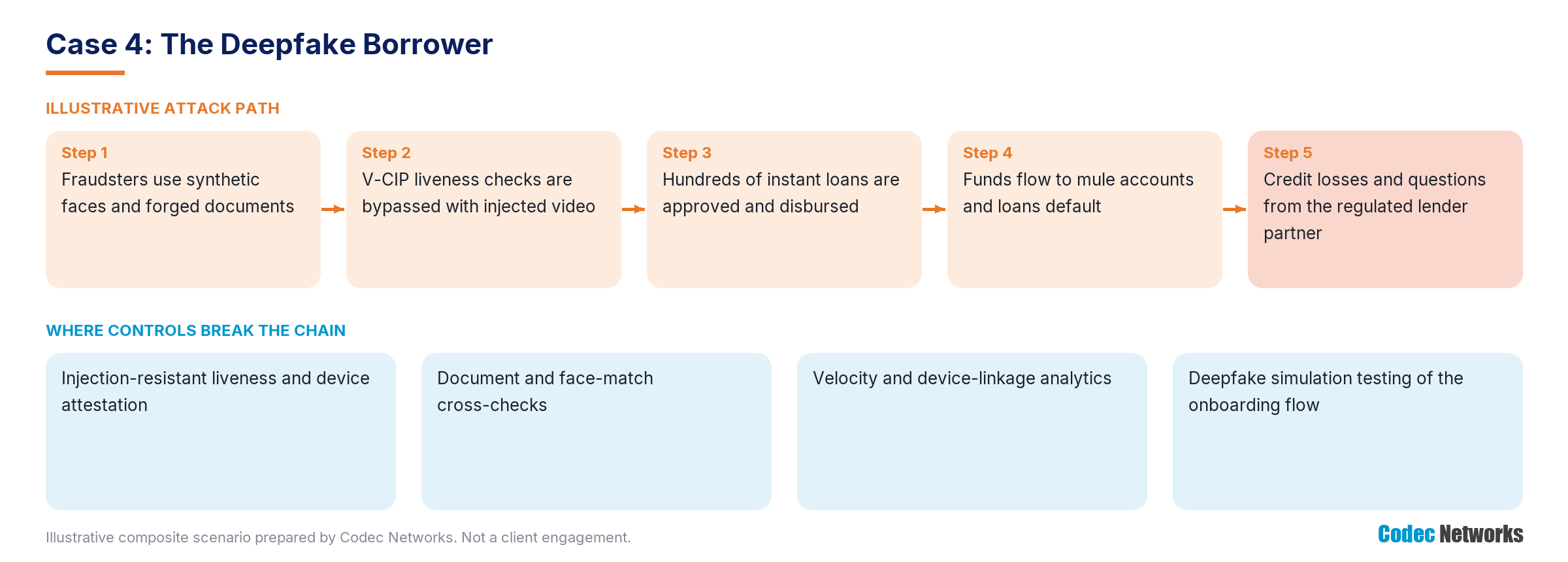
Figure 11: Illustrative attack path for Case Study 4 and the controls that break it.
What went wrong
- Liveness did not detect injected video or virtual cameras.
- No device attestation on the onboarding app.
- Velocity across devices and accounts was not monitored.
- Onboarding had never been tested against realistic deepfakes.
The impact
The NBFC partners incurred credit losses and suspended new sourcing while they reviewed Platform D's controls.
The regulatory lens
- RBI Digital Lending Directions (2025): lenders remain responsible for LSP-led sourcing and onboarding.
- RBI KYC directions (V-CIP): standards for video-based customer identification.
- PMLA: suspicious-transaction obligations for the regulated lenders.
How Codec Networks would help
|
Need |
Codec Networks response |
Bundle |
|
Test against deepfakes |
AI-powered deepfake and injection-attack simulation |
B10 |
|
Harden the flow |
AI and liveness security review, device attestation |
B11 |
|
Catch the ring |
Device-linkage and velocity analytics in the SOC |
B7 |
|
Key lessons Assume attackers can generate a convincing face. Detect injected video and virtual cameras. Link applications by device and account. Test onboarding with real deepfake techniques. |
Case Study 5: The Leaked Key in a Public Repository
A single committed line of code opened a storage bucket full of KYC documents.
|
At a glance |
|
|
Organisation |
A KYC and financial-data API provider (“Provider E”) serving banks and NBFCs |
|
Threat |
Production cloud key committed to a public repository |
|
Why it is new |
Automated scanners find leaked keys within hours; regulated clients must report and audit vendor incidents |
|
Codec Networks services |
Secrets scanning and cloud posture assessment, CI/CD review, incident response (Bundles B3, B2, B8) |
The scenario
A developer pushed a debugging script containing a production cloud access key to a public code repository.
Within hours, an automated scanner found the key. The attacker listed storage buckets and copied archives of KYC images and documents.
A security researcher found the same key and posted about it, prompting urgent questions from Provider E's bank and NBFC clients.
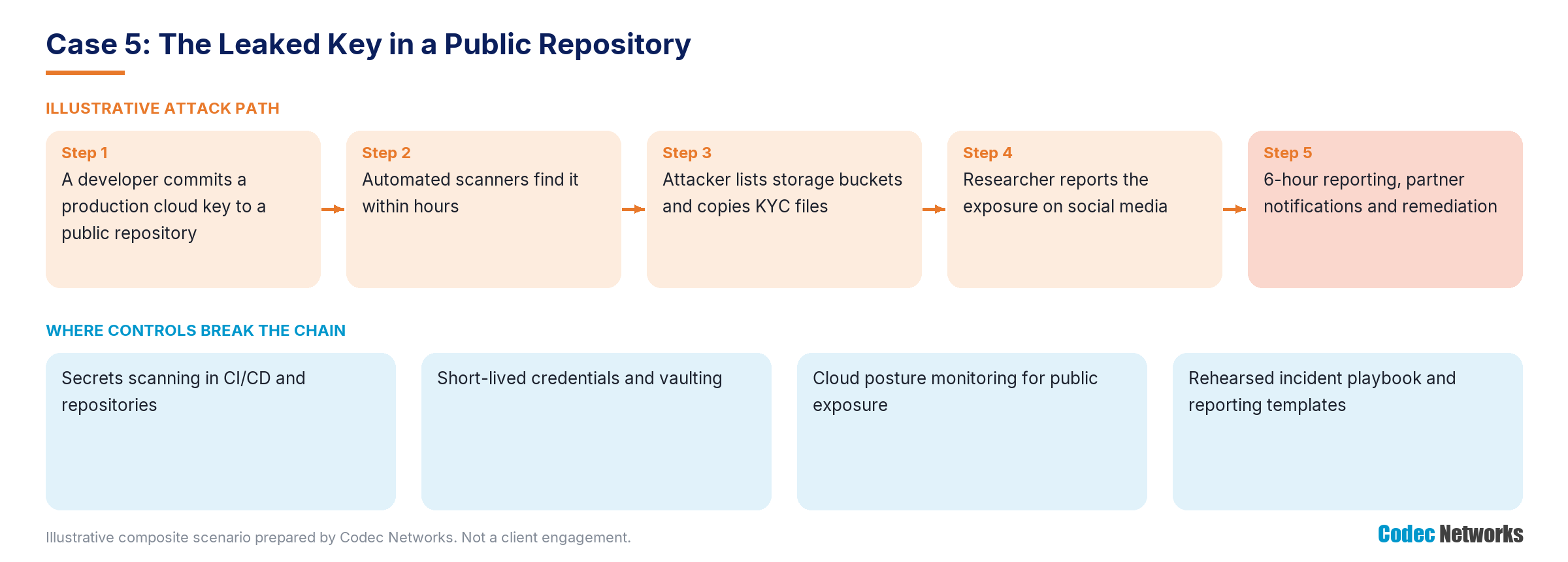
Figure 12: Illustrative attack path for Case Study 5 and the controls that break it.
What went wrong
- No secrets scanning in repositories or CI/CD.
- Long-lived, broadly scoped keys for production storage.
- No alert on public exposure or unusual bucket access.
- No rehearsed playbook for client notification and CERT-In reporting.
The impact
Provider E had to rotate credentials, investigate access, notify clients, report to CERT-In and support its regulated clients' own reporting—while several clients invoked audit rights.
The regulatory lens
- CERT-In Directions: data leaks reported within six hours; 180-day log retention.
- Clients' RBI Directions: banks and NBFCs must oversee and audit IT vendors, and report incidents affecting them.
- DPDP Act and Rules: safeguards and breach obligations once commenced.
How Codec Networks would help
|
Need |
Codec Networks response |
Bundle |
|
Stop leaks at source |
Secrets scanning in repos and CI/CD, vaulting and rotation |
B2, B3 |
|
Find exposure first |
Cloud posture assessment and continuous monitoring |
B3 |
|
Respond fast |
IR retainer, forensic RCA and client-notification support |
B8 |
|
Key lessons Scan every commit for secrets. Use short-lived, least-privilege credentials. Monitor storage for public exposure. Rehearse client and CERT-In notification. |
Talk to Codec Networks
|
Contact Codec Networks Pvt. Ltd. New Delhi: 507, 5th Floor, New Delhi House, Barakhamba Road, Connaught Place, New Delhi – 110001 Gurugram: 707, 7th Floor, Silverton Tower, Golf Course Extension Road, Sector 50, Gurugram – 122018, Haryana Landline: 011 430 496 96 | 011 437 522 99 Mobile: +91 99716 76124 | +91 88007 88220 | +91 88003 31124 Email: mktg@codecnetworks.com Web: www.codecnetworks.com |