

Resources Categories
INDUSTRY FACT FILE · BANKING
Five New Case Studies in Banking Security
Original 2026 case studies, each written as a blog post, showing how current threats play out under RBI's 2026 cybersecurity Directions and how Codec Networks services break the attack chain.
|
In this document 1. About these case studies 2. Case Study 1: The Mule Network Hiding in Plain Sight 3. Case Study 2: The ATM Switch That Was Someone Else's Problem 4. Case Study 3: Ransomware on a Friday Night 5. Case Study 4: The Fintech API That Overshared 6. Case Study 5: The CEO's Voice on the Phone |
About these case studies
These five case studies were written for this document set and have not been published elsewhere. Each is a composite scenario: it combines attack techniques and control failures widely observed in banking with the regulatory obligations that apply in India as of October 2026—in particular RBI's Cybersecurity, Technology: Risk, Resilience and Assurance Framework Directions issued on 31 July 2026.
|
Important disclosure The banks described are fictional and the scenarios are illustrative. They are not accounts of real incidents, and they are not Codec Networks client engagements or claims of achieved outcomes. Their value lies in showing how connected weaknesses form an attack chain, which controls break it, and which services test those controls. |
|
Case study |
Bank type |
Core threat |
Regulatory lens |
Primary bundles |
|
1. The Mule Network Hiding in Plain Sight |
Small finance bank |
Mule accounts and pass-through fraud |
2026 Directions; KYC/V-CIP; PMLA |
B7, B8, B4 |
|
2. The ATM Switch That Was Someone Else's Problem |
Urban co-operative bank using a shared ATM switch |
Third-party switch compromise and cash-out |
2026 Directions (third-party ATM switch controls) |
B9, B7, B3 |
|
3. Ransomware on a Friday Night |
Mid-sized public sector bank |
Ransomware and backup destruction |
2026 Directions (DR, CCMP, DAKSH); CERT-In |
B7, B10, B8 |
|
4. The Fintech API That Overshared |
Private sector bank |
Partner API data exposure |
Outsourcing Directions 2025; 2026 Directions; DPDP |
B2, B9, B6 |
|
5. The CEO's Voice on the Phone |
Foreign bank branch |
Deepfake voice and payment diversion |
2026 Directions; SWIFT CSP |
B10, B7, B5 |
Case Study 1: The Mule Network Hiding in Plain Sight
How rented and synthetic accounts turned a growing small finance bank into a transit point for scam proceeds.
|
At a glance |
|
|
Organisation |
A digitally growing small finance bank (“Bank A”) with fast app-based account opening |
|
Threat |
Mule accounts receiving and moving fraud proceeds |
|
Why it is new |
Tests risk-based transaction monitoring and customer-notification expectations in RBI's 2026 Directions, alongside the growing use of AI mule-detection models |
|
Codec Networks services |
Onboarding and V-CIP controls review, mule-detection use cases in the CSOC, forensic investigation (Bundles B7, B8, B4) |
The scenario
Bank A's digital onboarding grew quickly. A fraud network recruited people to 'rent out' their accounts and opened others using borrowed or synthetic identities that passed basic document checks.
Most accounts stayed quiet for weeks. Then each began receiving dozens of small inbound transfers—payments from victims of investment and task scams—and forwarding the money within minutes over UPI and IMPS to accounts at other banks.
Bank A learned of the pattern only when complaints reached the National Cybercrime Reporting Portal and freeze requests arrived from law enforcement. By then most of the money had moved on.
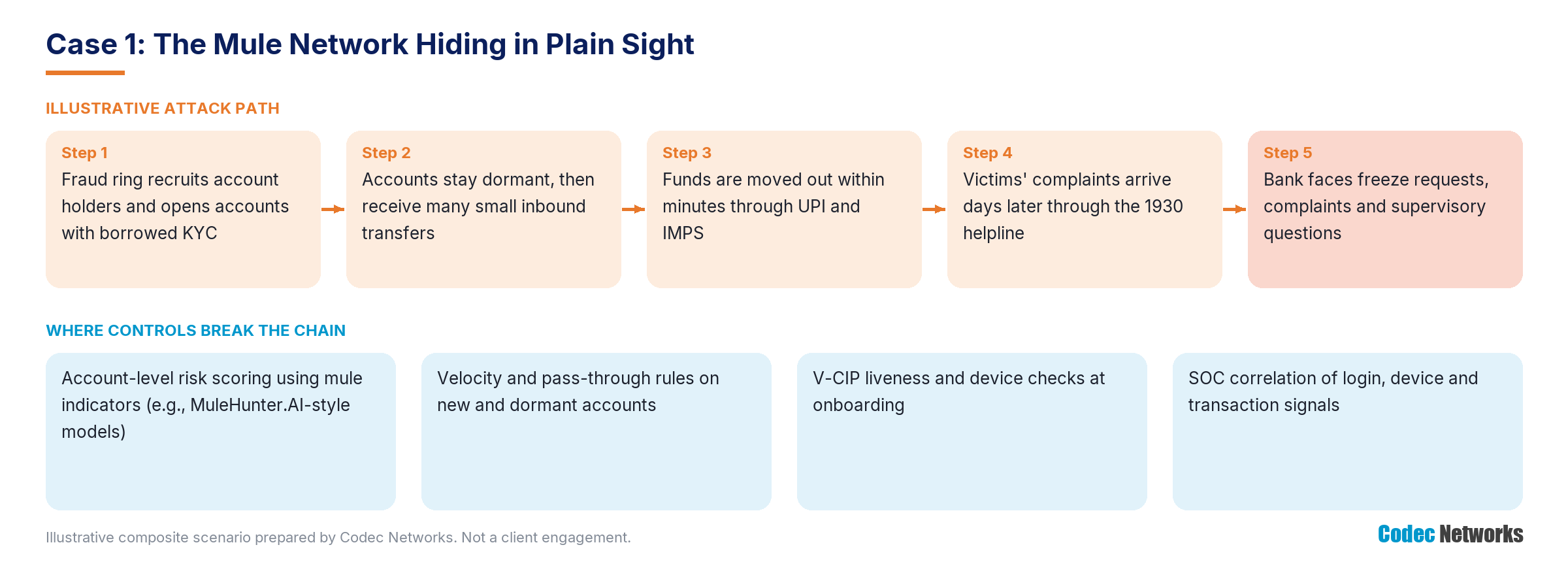
Figure 8: Illustrative attack path for Case Study 1 and the controls that break it.
What went wrong
- Onboarding checked documents, not behaviour. Device reuse across many new accounts and mismatched profiles were never correlated.
- No pass-through rules. Accounts that received and forwarded funds within minutes did not trigger alerts.
- Dormancy was treated as low risk. Sudden activation of dormant accounts was not monitored.
- Fraud and security data were siloed. The CSOC saw logins and devices; the fraud team saw transactions; nobody saw both.
The impact
Bank A faced freeze and information requests, customer complaints, questions about the quality of its KYC and suspicious-transaction reporting to FIU-IND, and reputational damage with partners and customers.
The regulatory lens
- RBI 2026 Directions: risk-based transaction monitoring across channels and customer notification through alternate channels for payments above a customer-set value.
- KYC directions: customer due diligence, including V-CIP standards for video-based onboarding.
- PMLA: reporting of suspicious transactions to FIU-IND by the bank's Principal Officer.
- Industry tools: RBI Innovation Hub's MuleHunter.AI had been adopted by 29 banks as of July 2026.
How Codec Networks would help
|
Need |
Codec Networks response |
Bundle |
|
Stop mules at the door |
Onboarding and V-CIP process testing using realistic synthetic profiles; device and liveness checks review |
B4, B10 |
|
See the pattern early |
CSOC use cases combining device, login and transaction signals; pass-through and dormancy rules |
B7 |
|
Investigate and evidence |
Forensic analysis of the account cluster; evidence for regulators and law enforcement |
B8 |
|
Key lessons Monitor behaviour, not just documents. Treat rapid pass-through as a red flag. Watch dormant accounts that wake up suddenly. Join security and fraud signals in one view. |
Case Study 2: The ATM Switch That Was Someone Else's Problem
A shared ATM switch provider's admin account was phished on a Friday. By Monday, the bank's cards had been cashed out across the country.
|
At a glance |
|
|
Organisation |
An urban co-operative bank (“Bank B”) running its ATM and card switch through a shared service provider |
|
Threat |
Compromise of a third-party ATM switch and unauthorised limit changes |
|
Why it is new |
RBI's 2026 commercial bank Direction now lists baseline controls for third-party ATM switch providers; co-operative banks face the same threat under their own framework |
|
Codec Networks services |
Third-party and ATM switch provider assessment, CSOC monitoring, infrastructure review (Bundles B9, B7, B3) |
The scenario
Bank B, like many co-operative banks, relied on a shared ATM switch provider. An attacker phished an administrator at the provider and logged in to the switch management console.
Over a weekend, the attacker raised withdrawal limits on a set of Bank B's cards and disabled fraud rules. A cash-out crew withdrew money from ATMs in several cities using cloned cards.
Bank B noticed only during Monday's reconciliation, when settlement figures did not match expected activity.
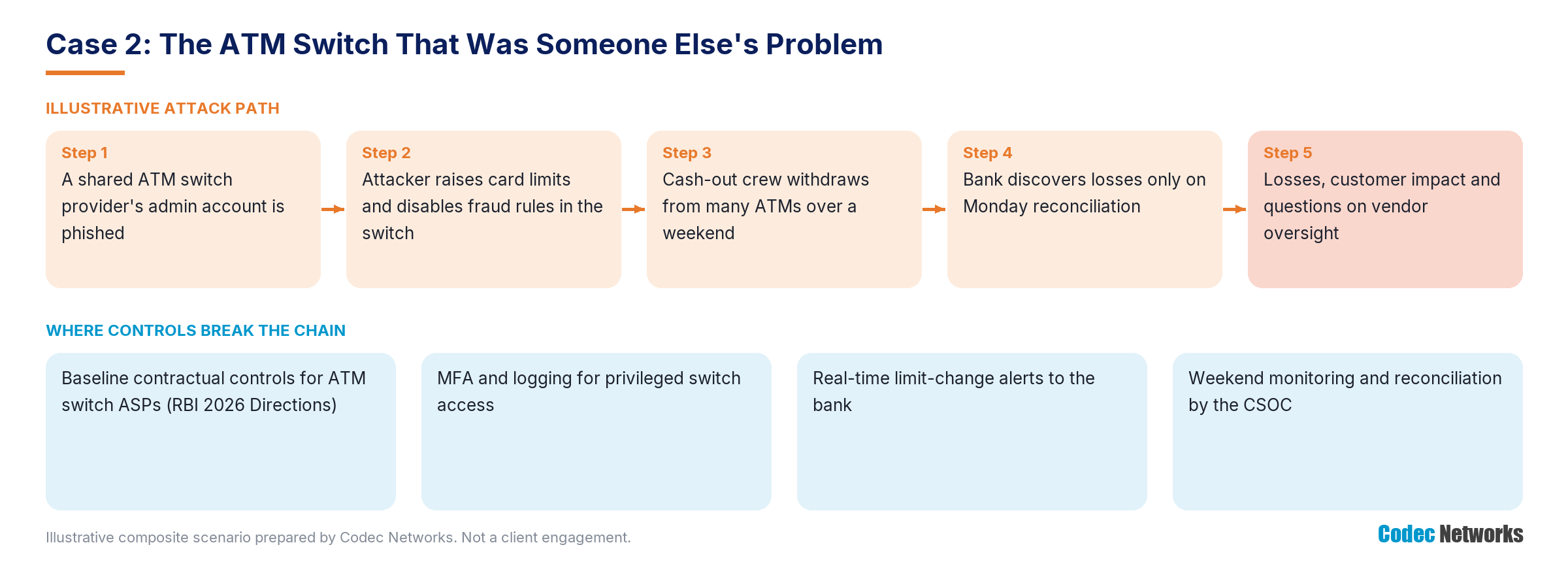
Figure 9: Illustrative attack path for Case Study 2 and the controls that break it.
What went wrong
- No MFA at the provider for privileged console access.
- Limit changes did not alert the bank. Changes made at the provider were invisible to Bank B in real time.
- Contracts lacked baseline security controls and audit rights over the switch environment.
- No weekend monitoring of switch activity or unusual ATM withdrawals.
The impact
Bank B absorbed the losses, reissued cards, informed customers and faced questions from its supervisor about oversight of the outsourced switch.
The regulatory lens
- RBI 2026 Directions (commercial banks): baseline control areas for third-party ATM switch service providers, built into contracts, with incident reporting to the bank and periodic VA/PT; audit and RBI access rights for IT/cyber third-party arrangements.
- Urban co-operative bank Direction (2026): graded requirements apply according to the bank's level.
- CERT-In Directions: reporting of specified incidents within six hours.
How Codec Networks would help
|
Need |
Codec Networks response |
Bundle |
|
Fix the contract |
Contract security review against the baseline controls; audit-right clauses |
B9 |
|
Test the provider |
Independent assessment of the switch provider's privileged access, MFA and logging |
B9, B3 |
|
Watch the weekend |
CSOC alerts on limit changes and unusual ATM withdrawal patterns |
B7 |
|
Key lessons Outsourcing a service does not outsource the risk. Require MFA and logging at every provider with privileged access. Make limit changes visible to the bank in real time. Monitor around the clock, including weekends. |
Case Study 3: Ransomware on a Friday Night
A single phishing email became a bank-wide outage. The real test was whether recovery and reporting had been rehearsed.
|
At a glance |
|
|
Organisation |
A mid-sized public sector bank (“Bank C”) with a large branch network and mixed legacy and modern systems |
|
Threat |
Ransomware with backup deletion and data theft |
|
Why it is new |
Tests the half-yearly DR drill, Cyber Crisis Management Plan and 6-hour DAKSH reporting requirements of RBI's 2026 Directions |
|
Codec Networks services |
Managed CSOC, ransomware simulation, backup and DR testing, incident response (Bundles B7, B10, B8) |
The scenario
A branch employee opened a convincing email attachment. The malware gave the attacker a foothold, and over several days they moved laterally, harvested credentials and obtained domain administrator rights.
On a Friday night, the attacker deleted reachable backups and launched encryption across branch servers and several central systems. Branch operations and some digital services stopped.
The bank had to contain the attack, decide on recovery, communicate with customers and report the incident to RBI and CERT-In within six hours.
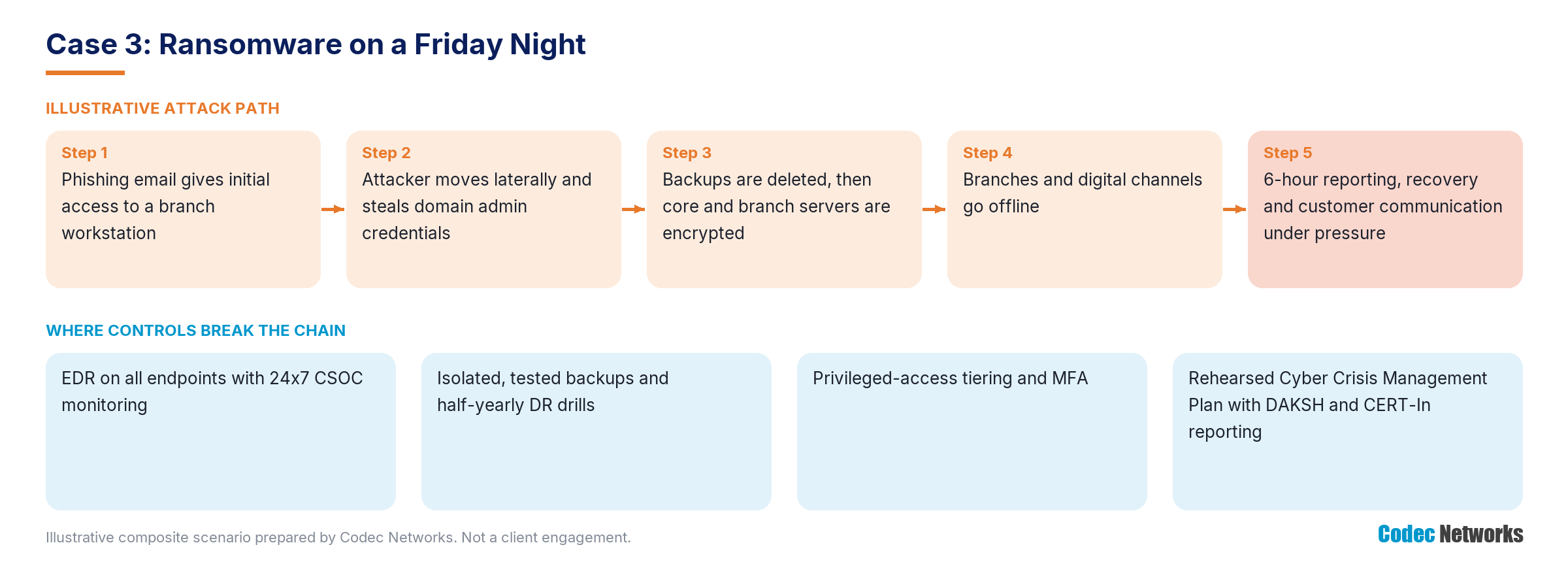
Figure 10: Illustrative attack path for Case Study 3 and the controls that break it.
What went wrong
- EDR coverage was incomplete, and alerts on unusual credential use were not investigated overnight.
- Backups were reachable from the compromised domain.
- Privileged accounts were not tiered, so one compromise opened most systems.
- The crisis plan existed on paper but had not been rehearsed with the people who would execute it.
The impact
Bank C faced service disruption, recovery costs, customer complaints, supervisory scrutiny and questions about data exposure.
The regulatory lens
- RBI 2026 Directions: DR drills for critical systems at least half-yearly with DR running for a full working day; a documented Cyber Crisis Management Plan; CSOC with 24x7 Level 1 monitoring; cyber incidents reported on DAKSH within six hours of detection.
- CERT-In Directions: reporting within six hours and retention of ICT logs for 180 days in India.
- DPDP Act and Rules: once breach provisions commence in May 2027, intimation of personal data breaches to the Data Protection Board.
How Codec Networks would help
|
Need |
Codec Networks response |
Bundle |
|
Detect early |
24x7 CSOC with EDR/XDR and credential-misuse use cases |
B7 |
|
Prove recovery |
Backup isolation testing, DR drill observation, ransomware simulation |
B10, B1 |
|
Respond and report |
IR retainer, forensic RCA, DAKSH and CERT-In reporting support |
B8 |
|
Key lessons Assume a phishing email will succeed; detect what follows. Keep backups out of the attacker's reach and restore them regularly. Tier privileged access. Rehearse the crisis plan and the 6-hour report. |
Case Study 4: The Fintech API That Overshared
A co-lending partner integration returned whole customer records when it needed a handful of fields—and a leaked credential did the rest.
|
At a glance |
|
|
Organisation |
A private sector bank (“Bank D”) with several co-lending and fintech partnerships |
|
Threat |
Data exposure through a partner API and leaked partner credentials |
|
Why it is new |
Combines RBI's 2025 outsourcing directions, the 2026 Direction's third-party and application security requirements and upcoming DPDP obligations |
|
Codec Networks services |
API security testing, third-party risk management, DPDPA programme (Bundles B2, B9, B6) |
The scenario
Bank D built an API so that a co-lending partner could check loan status. To save time, the API returned the full customer record, including KYC details.
A developer at the partner accidentally published API credentials in a public code repository. An attacker found them and pulled thousands of records before the activity was noticed.
Samples of the data appeared on a dark-web forum, and Bank D had to determine what was exposed, notify stakeholders and report the incident.
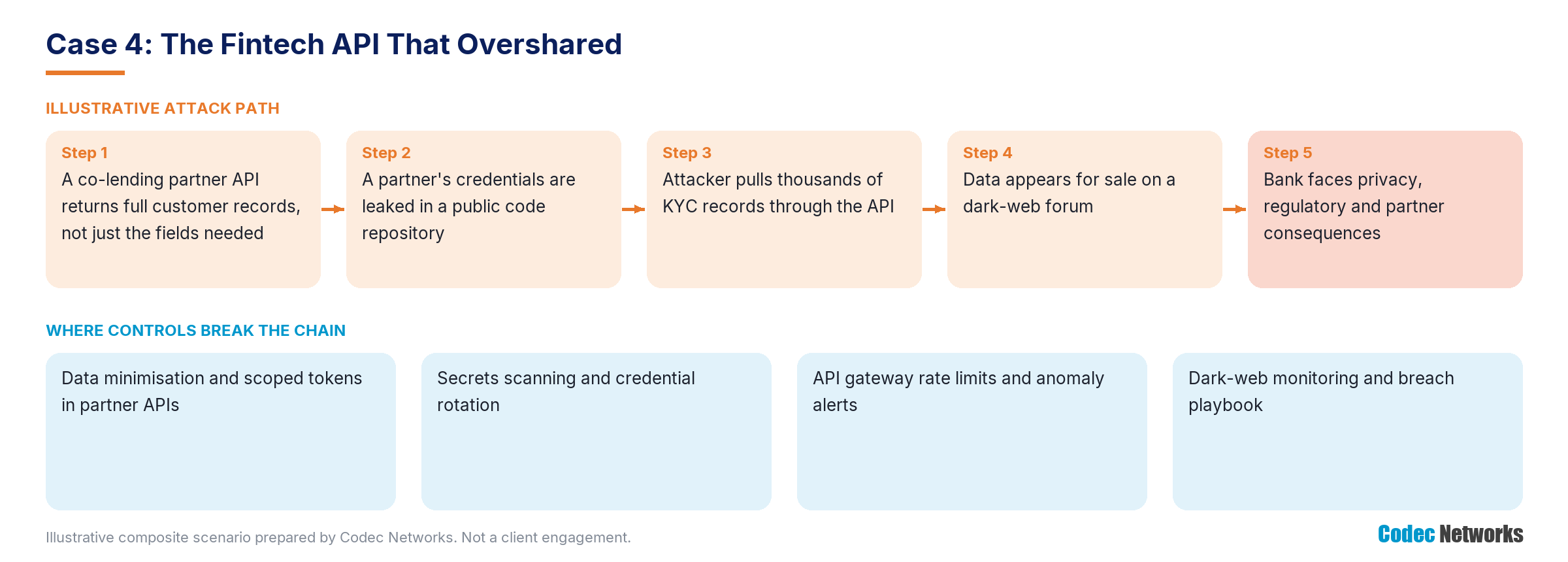
Figure 11: Illustrative attack path for Case Study 4 and the controls that break it.
What went wrong
- No data minimisation: the API returned far more than the partner needed.
- Long-lived, broadly scoped credentials with no IP restrictions.
- No anomaly detection on bulk API access.
- Partner security was not tested beyond a questionnaire.
The impact
Bank D faced regulatory reporting, customer notification, partner contract disputes and reputational harm, and had to suspend the integration while controls were rebuilt.
The regulatory lens
- RBI Managing Risks in Outsourcing Directions, 2025 and the 2026 Direction's third-party provisions: due diligence, contracts, audit and RBI access rights.
- RBI 2026 Directions: application security testing throughout the lifecycle and data leak prevention covering data in transit and at rest.
- CERT-In Directions: reporting of data breaches and leaks within six hours.
- DPDP Act and Rules: reasonable security safeguards and breach intimation once those provisions commence.
How Codec Networks would help
|
Need |
Codec Networks response |
Bundle |
|
Minimise and test APIs |
API security testing including authorisation and data-exposure checks |
B2 |
|
Assure partners |
Partner security assessment beyond questionnaires; credential and secrets review |
B9 |
|
Prepare for privacy duties |
Data-flow mapping, DPIA and breach workflow |
B6 |
|
Key lessons Give partners only the data they need. Scope, rotate and restrict API credentials. Alert on bulk or unusual API access. Test partners' controls, not just their answers. |
Case Study 5: The CEO's Voice on the Phone
A cloned voice and a well-timed email persuaded a treasury team to bypass its own controls.
|
At a glance |
|
|
Organisation |
A foreign bank branch in India (“Bank E”) with an active treasury and corporate banking business |
|
Threat |
Deepfake voice impersonation and payment diversion |
|
Why it is new |
AI voice cloning makes executive impersonation cheap and convincing; tests verification and maker-checker controls |
|
Codec Networks services |
Deepfake and vishing simulation, SOC monitoring of payment anomalies, governance review (Bundles B10, B7, B5) |
The scenario
An attacker used public videos to clone the voice of a senior executive. On a busy afternoon, a treasury officer received a call in that voice about a confidential, urgent transfer, followed by an email from a look-alike domain.
Under pressure, the officer arranged for an outward transfer outside the normal approval path. The funds moved through several accounts within hours.
When the real executive was later contacted, the fraud was discovered. Only part of the money could be traced and recovered.
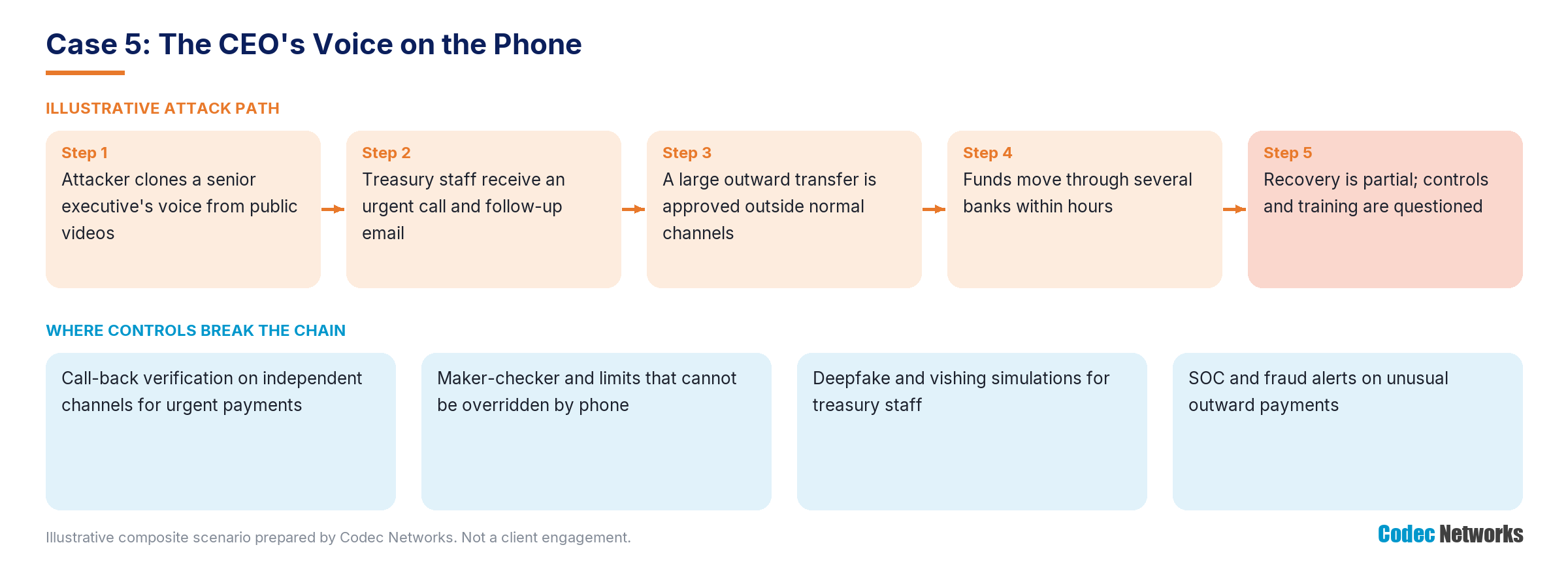
Figure 12: Illustrative attack path for Case Study 5 and the controls that break it.
What went wrong
- Verification relied on recognising a voice. There was no mandatory call-back on an independent channel.
- Maker-checker could be bypassed for 'urgent' requests.
- Look-alike domains were not detected or blocked.
- Staff had never practised against a realistic deepfake scenario.
The impact
Bank E suffered a direct loss, faced questions from its head office and supervisor about control design, and had to retrain staff and tighten payment procedures.
The regulatory lens
- RBI 2026 Directions: foreign bank branches follow a 'comply or explain' approach for specified chapters; requirements include DMARC, anti-phishing services and risk-based transaction monitoring.
- SWIFT Customer Security Programme: controls over payment operators and interfaces for banks using SWIFT.
- CERT-In Directions: reporting of specified incidents within six hours.
How Codec Networks would help
|
Need |
Codec Networks response |
Bundle |
|
Practise against deepfakes |
AI-powered deepfake and vishing simulations for treasury and senior staff |
B10 |
|
Catch unusual payments |
SOC and fraud alerts on out-of-pattern outward payments |
B7 |
|
Close the bypass |
Review of payment governance, maker-checker and call-back procedures |
B5 |
|
Key lessons Never authorise payments on the strength of a voice. Make call-back on an independent channel mandatory. Remove 'urgent' exceptions to maker-checker. Block and monitor look-alike domains. |
Talk to Codec Networks
|
Contact Codec Networks Pvt. Ltd. New Delhi: 507, 5th Floor, New Delhi House, Barakhamba Road, Connaught Place, New Delhi – 110001 Gurugram: 707, 7th Floor, Silverton Tower, Golf Course Extension Road, Sector 50, Gurugram – 122018, Haryana Landline: 011 430 496 96 | 011 437 522 99 Mobile: +91 99716 76124 | +91 88007 88220 | +91 88003 31124 Email: mktg@codecnetworks.com Web: www.codecnetworks.com |